Ok, on June 18th, I broke my new rule of taking it easy. This ended up being a 13 hour day. I got back from the 1 hour 30 minute ghost tour and thought I would right up the daily blog. I messed up loading the images tonight, so I’m just going to call it a night and fix the images and write the blog in the morning. It’s supposed to be rainy here in Williamsburg tomorrow, so I’m going to have to make plans for inside activities. There will be no need to rush to get my day started.
It’s the next morning and I have energy to put my thoughts together in a more coherent story.
Just to keep with the pattern here is the fit check for the day. A Hawaiian style shirt called Toucan Tropica at Geek Tropical. If you use the link, you will get 15% off and I will get a discount the next time I purchase. Thanks for checking them out.
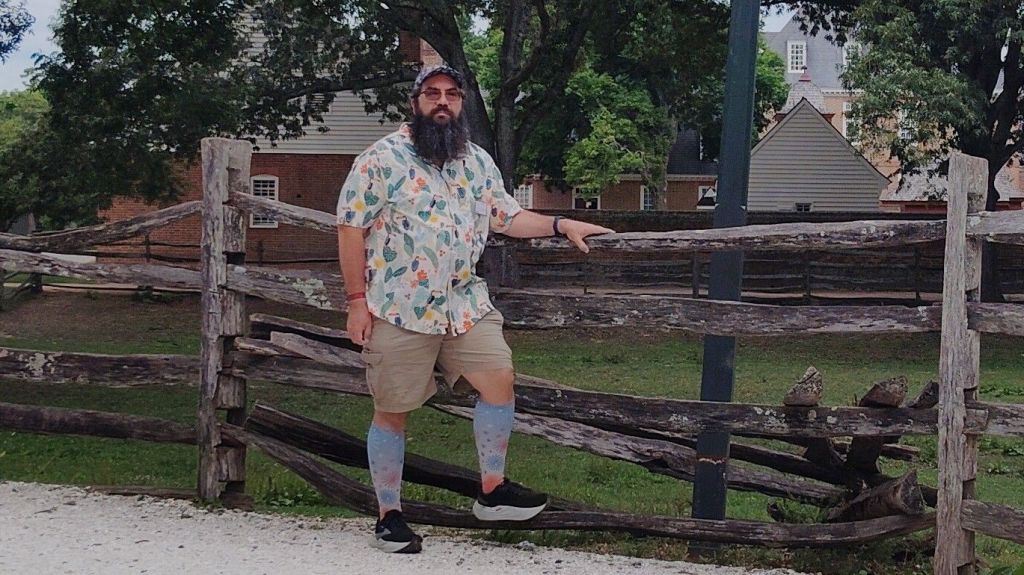
Colonial Williamsburg was found 1638, but it was called Middle Plantation until 1699 when the governor of Virginia decided to more the capital of Virginia from Jamestown to Middle Plantation. But it needed a better name, a prestigious town needed a prestigious name, so they called it Williamsburg after King William III, the current king of England.
Williamsburg is a planned out town, well Colonial Williamsburg is. All the streets run East to West or North to South. The main road were all the businesses and inns called Duke of Gloucester Street, runs East to West with the capital building sitting at the eastern end of the road. We will get to the capital later. I’m going to start at the western end of the street and a few blocks north at the Governor’s Palace.
Oh, now is also a good time to mention, not all these buildings are the actual buildings. In 1924 a restoration project was started to save the 18th century buildings that were still standing. This project extended into a fuller restoration, by rebuilding long lost structures using historical records and archaeology to bring Williamsburg back to life in its Revolutionary War stage.
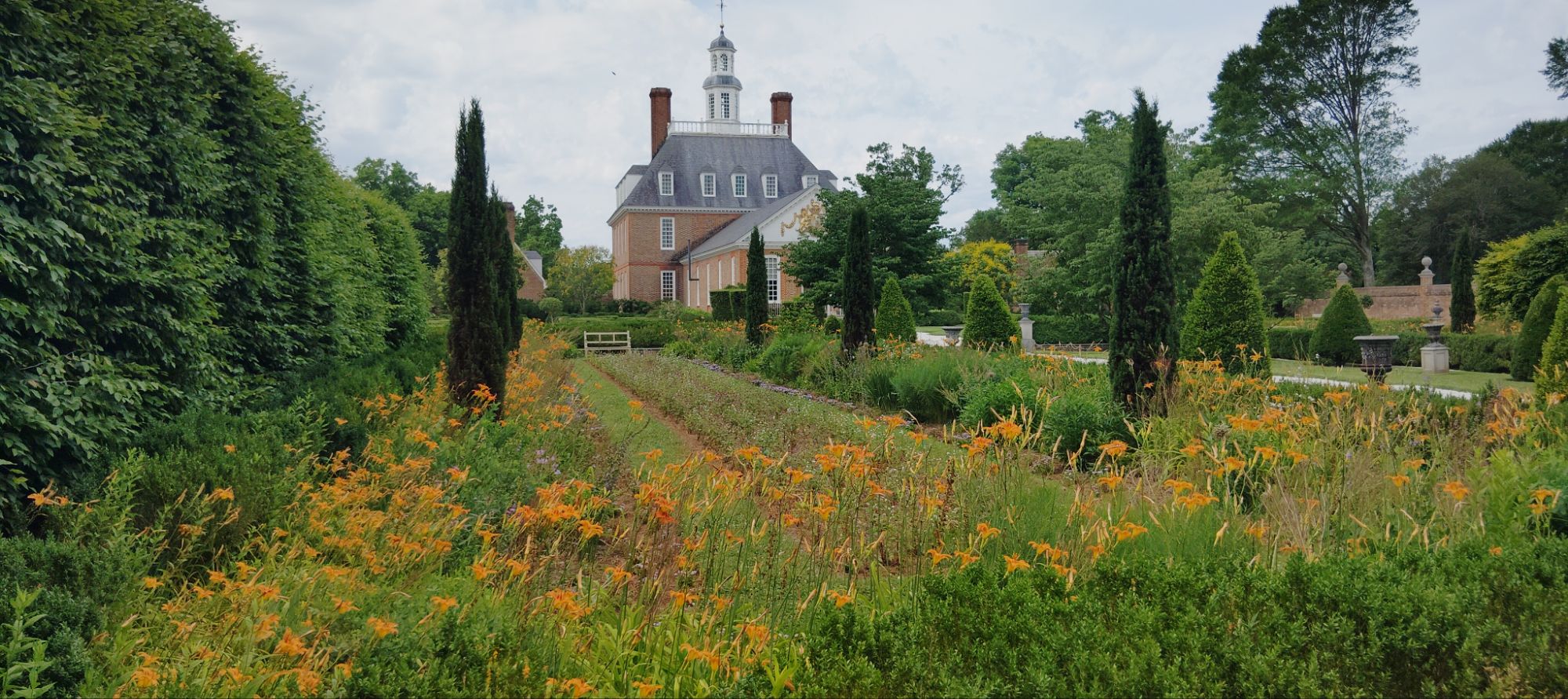
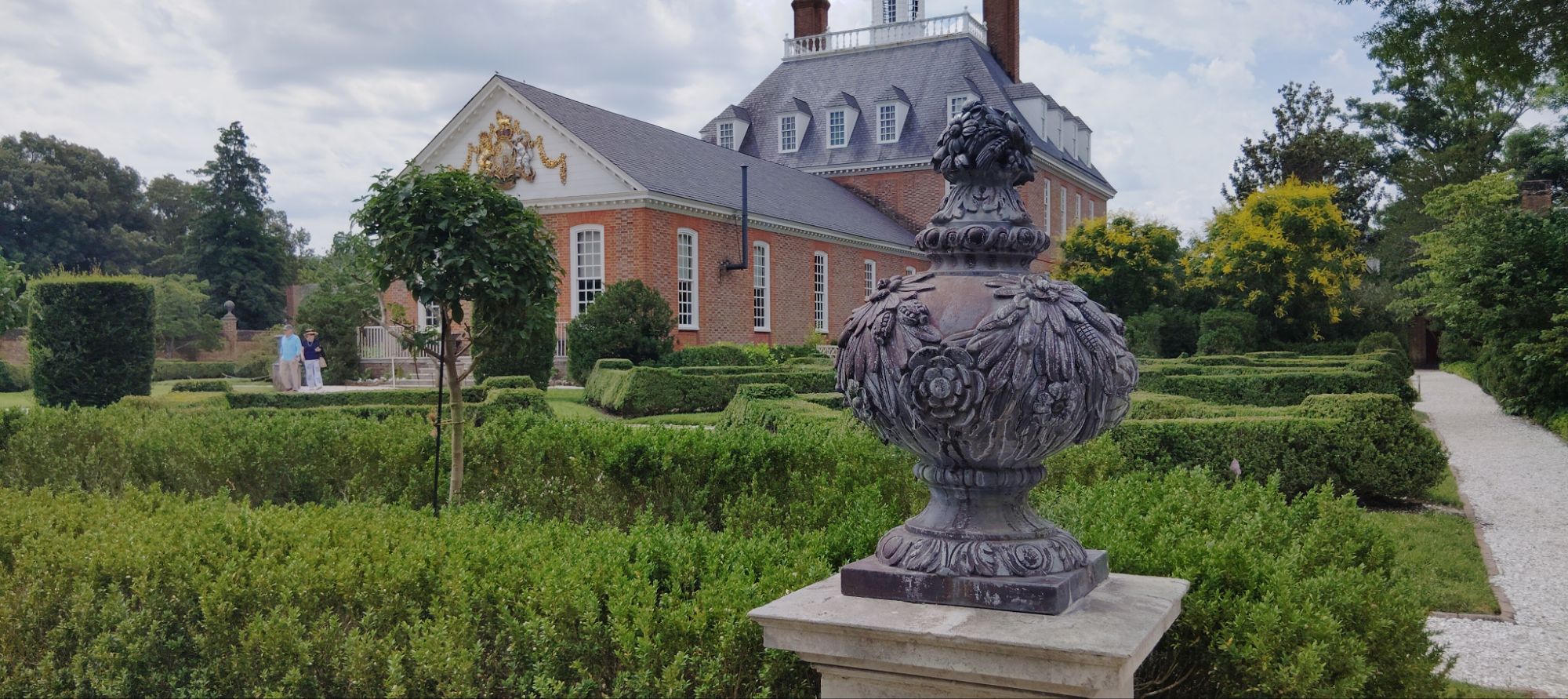
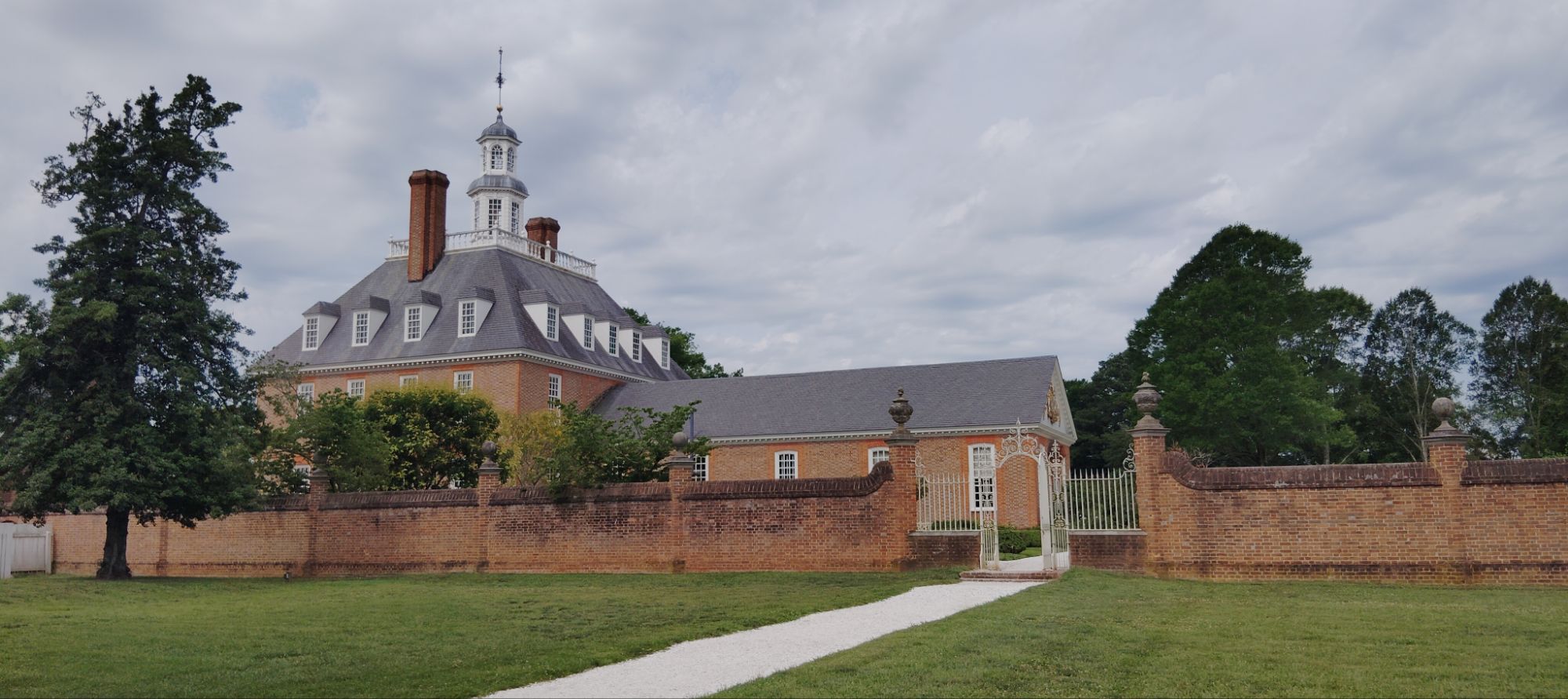
The Governor’s Palace was the seat of the King’s authority in Virginia. The governor was appointed by the King, and governor then appointed local male, Virginian land owners to important positions in the community. The Governor’s Palace was destroyed and one point a school was build on top of it. The building in the pictures is a complete reconstruction on the outline of the original footprint.
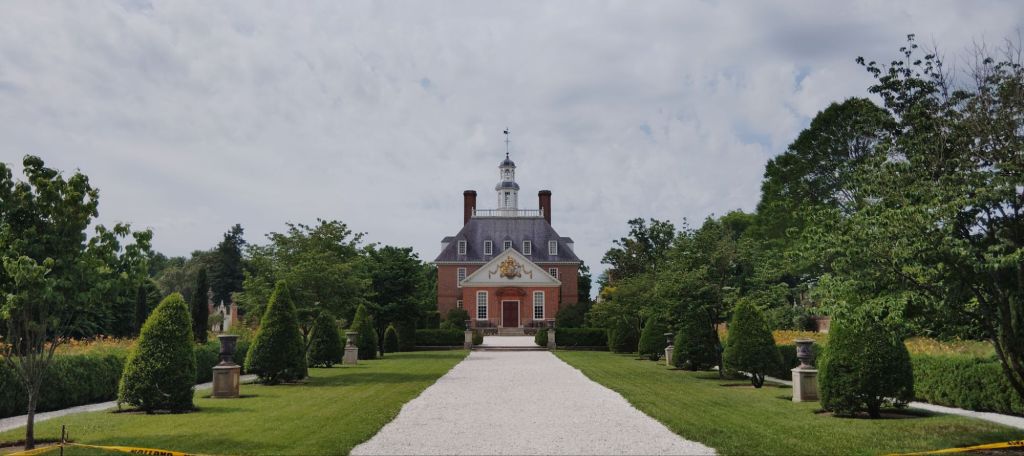
Inside you will see portraits of King William III and Queen Mary along with lots and lots of muskets and swords. In fact there are 540 muskets all hanging from the walls. No they are not just ornamental, they could all be used in the service of the King to defend the town if called to muster by the governor.
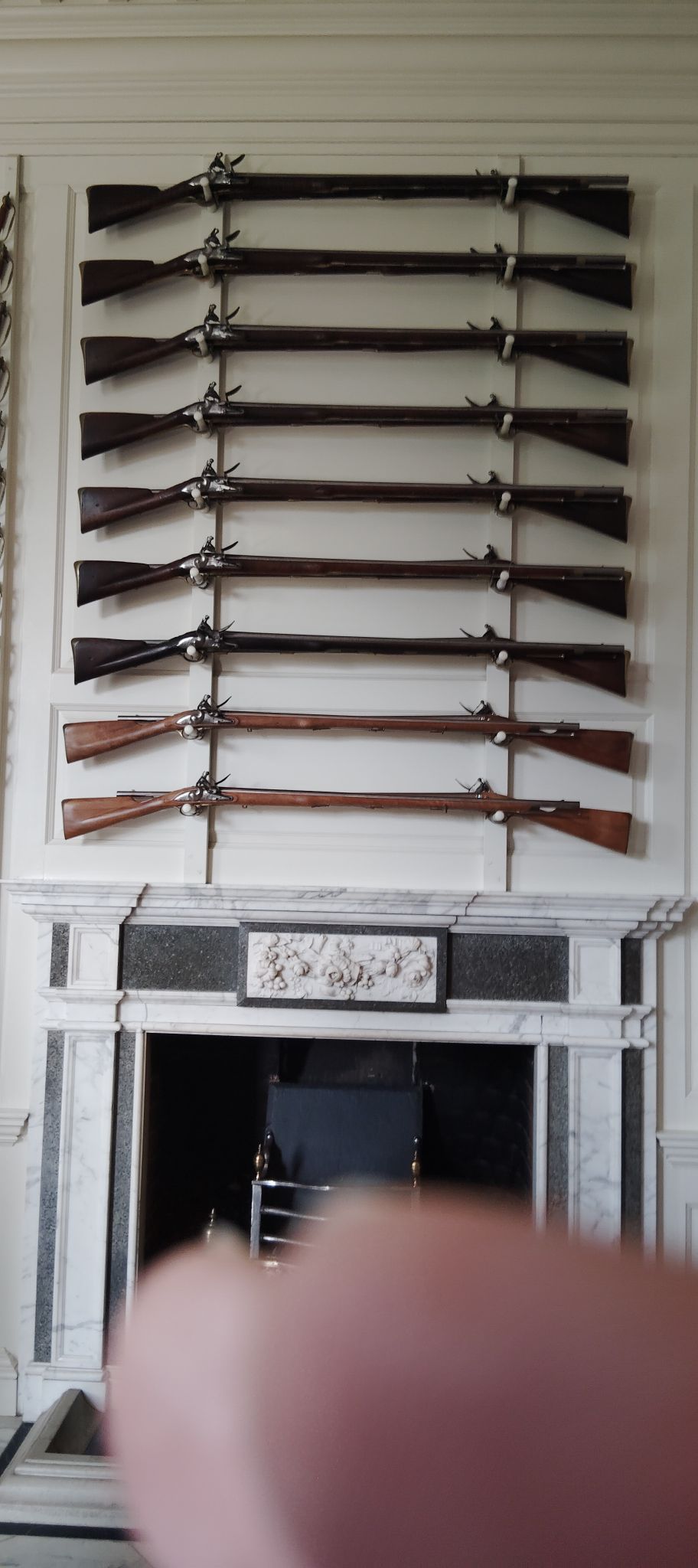
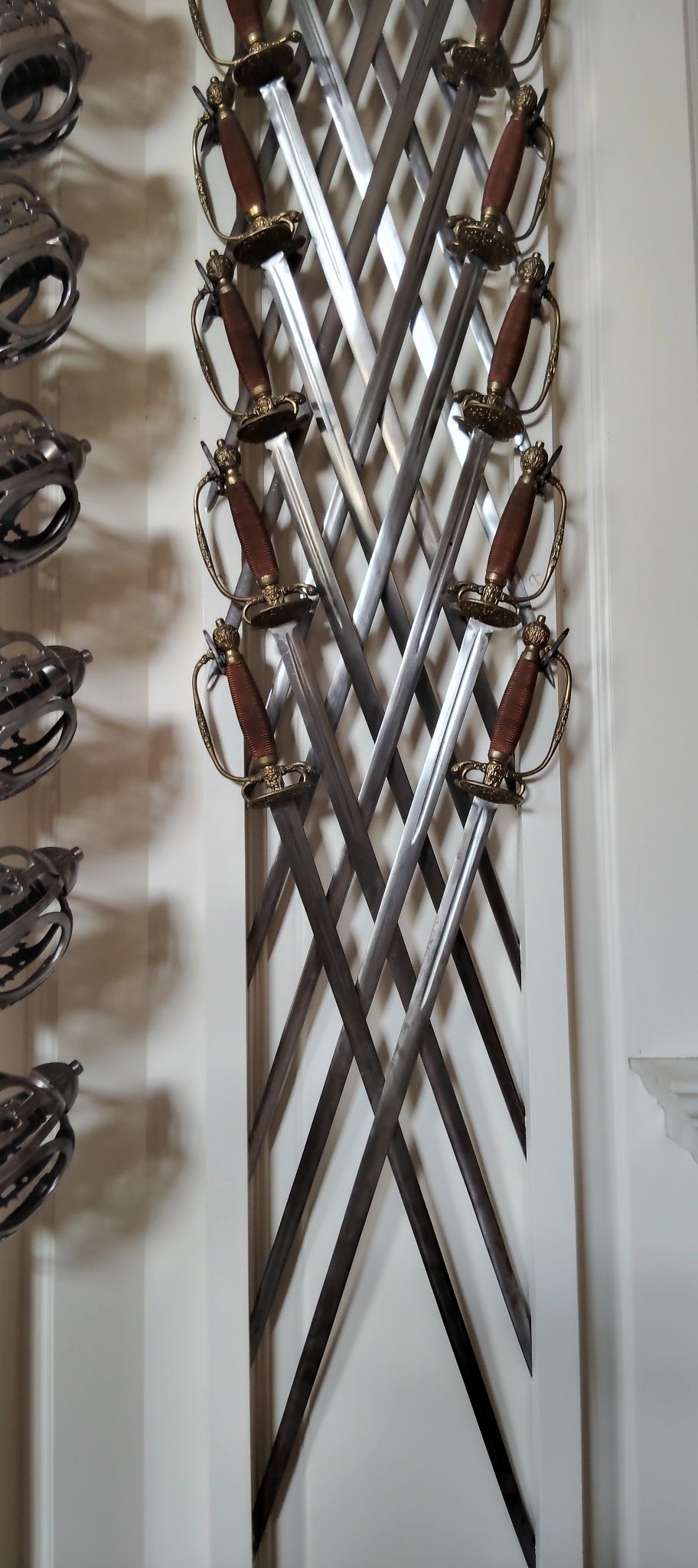
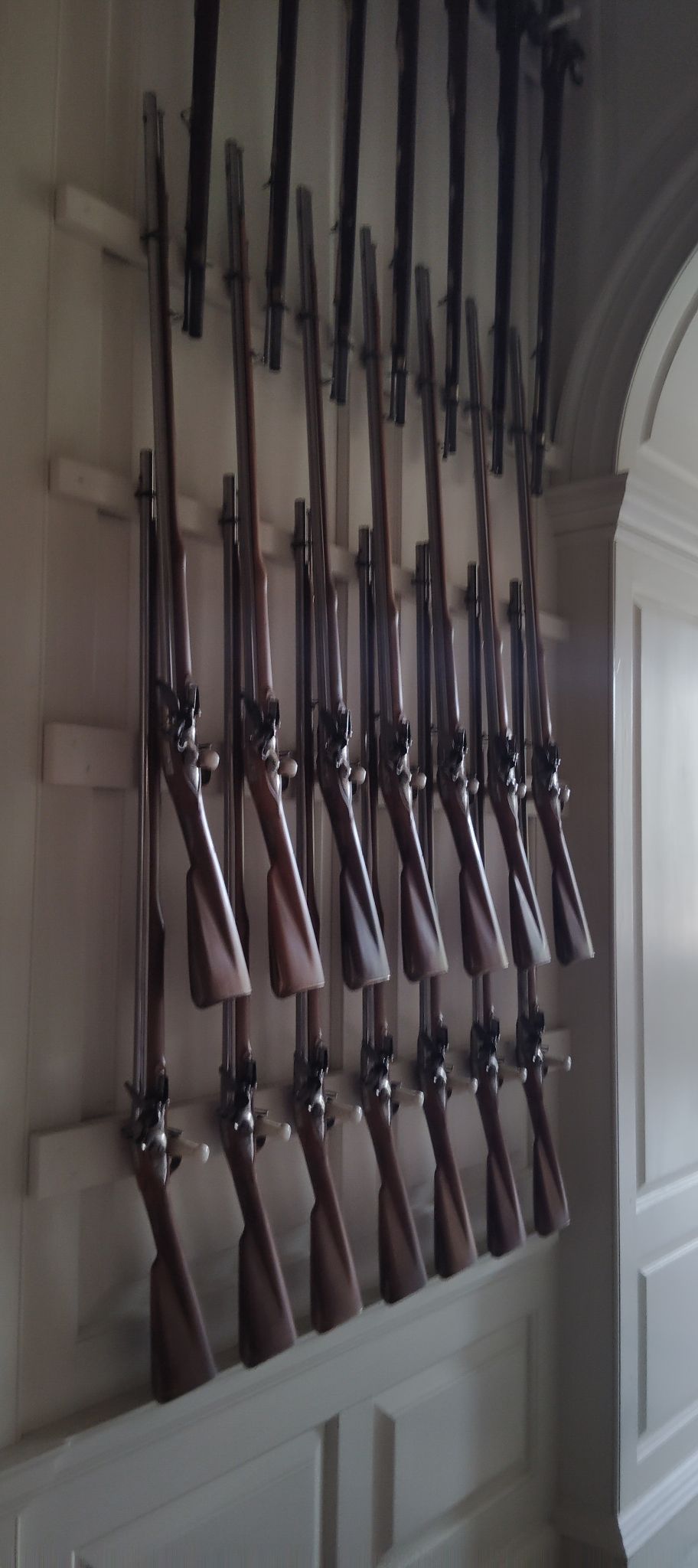
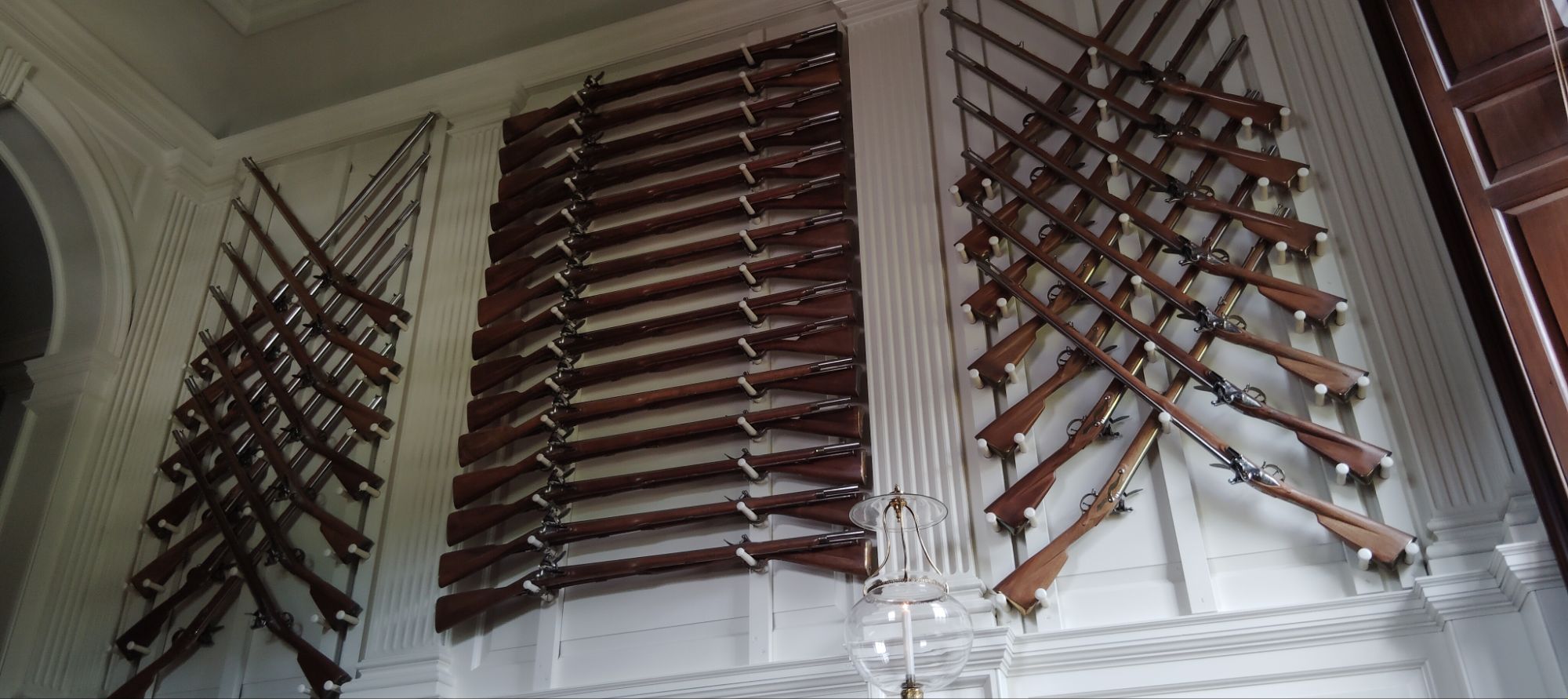
An interesting fact about living in Colonial Williamsburg, if you were a male over the age of 16 you need to own a musket, an edged weapon, and a set amount of gun powder and shot. The guns at the Governor’s Palace were used to make sure everyone had the same type of weapon to make it easier to supply in a long term siege.
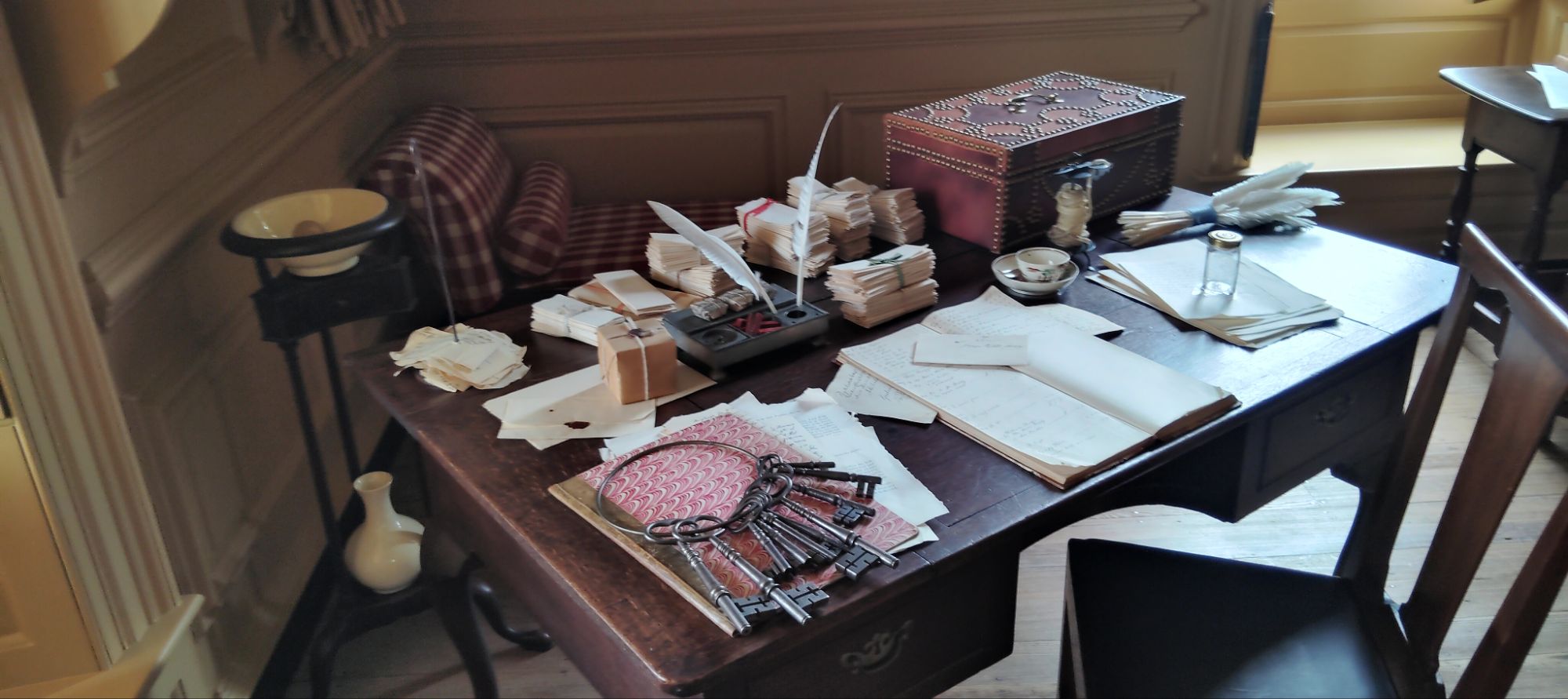
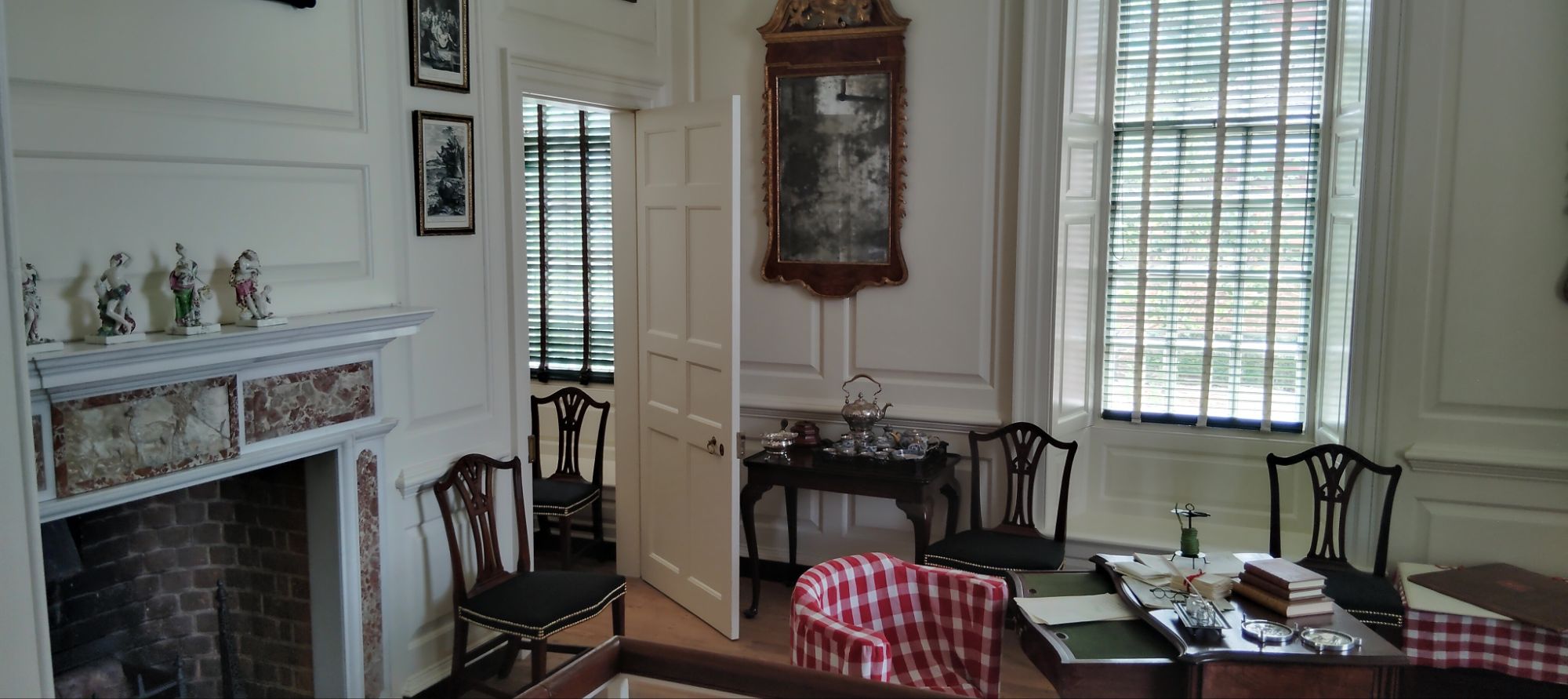
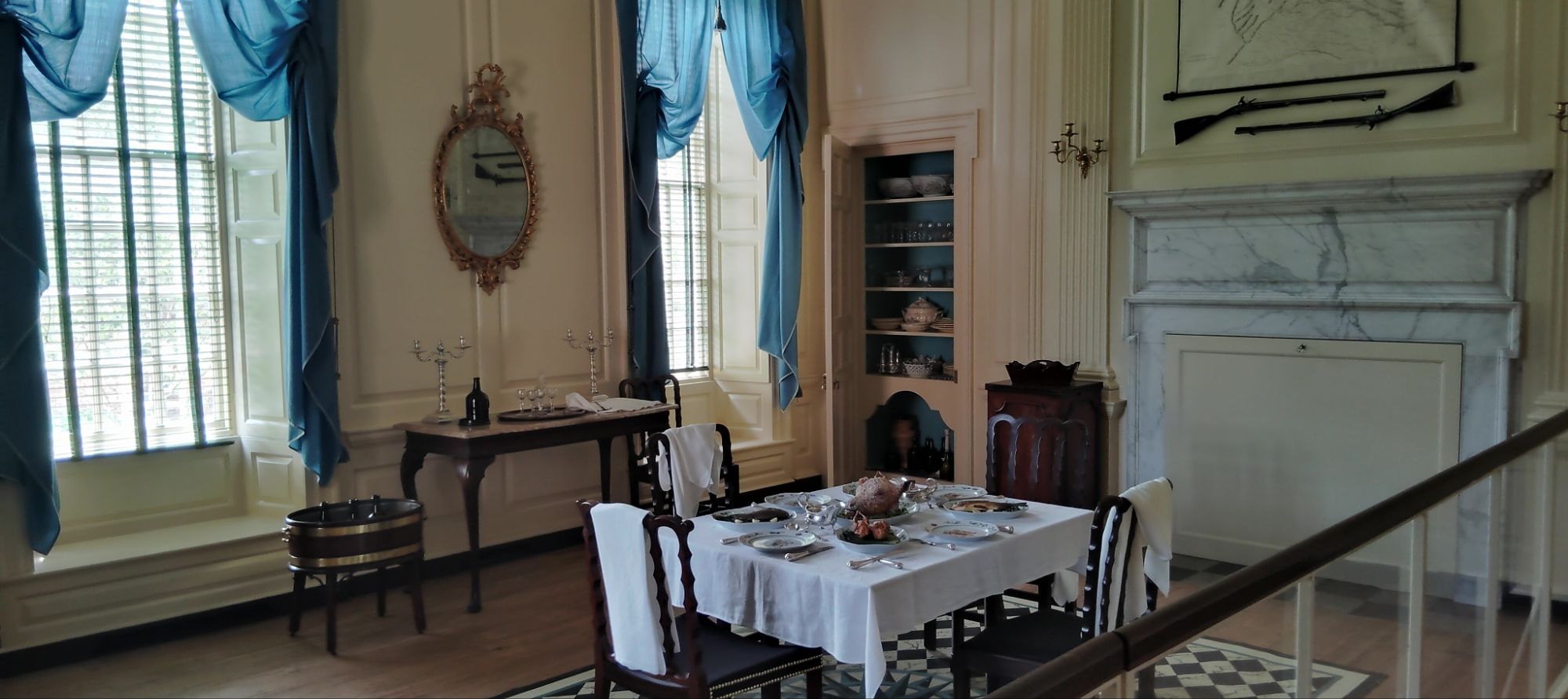
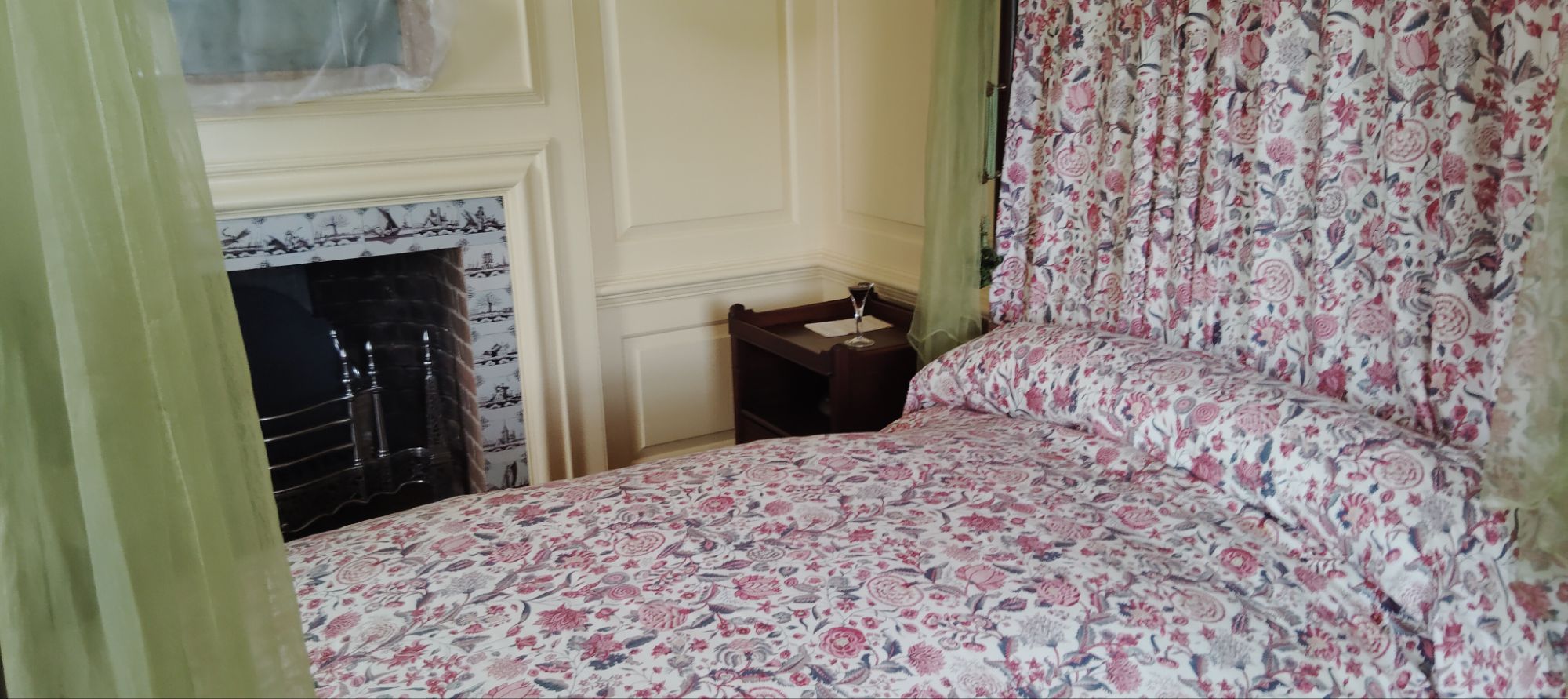
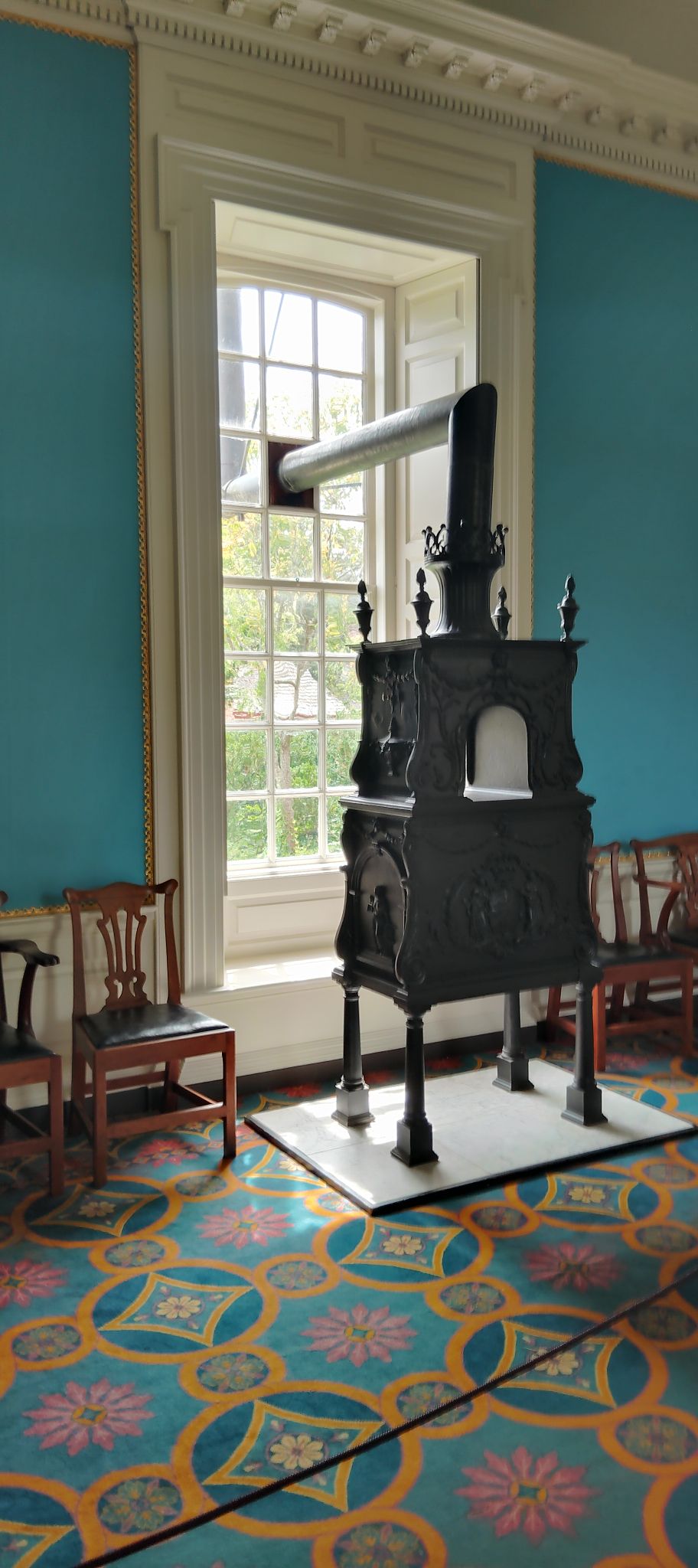
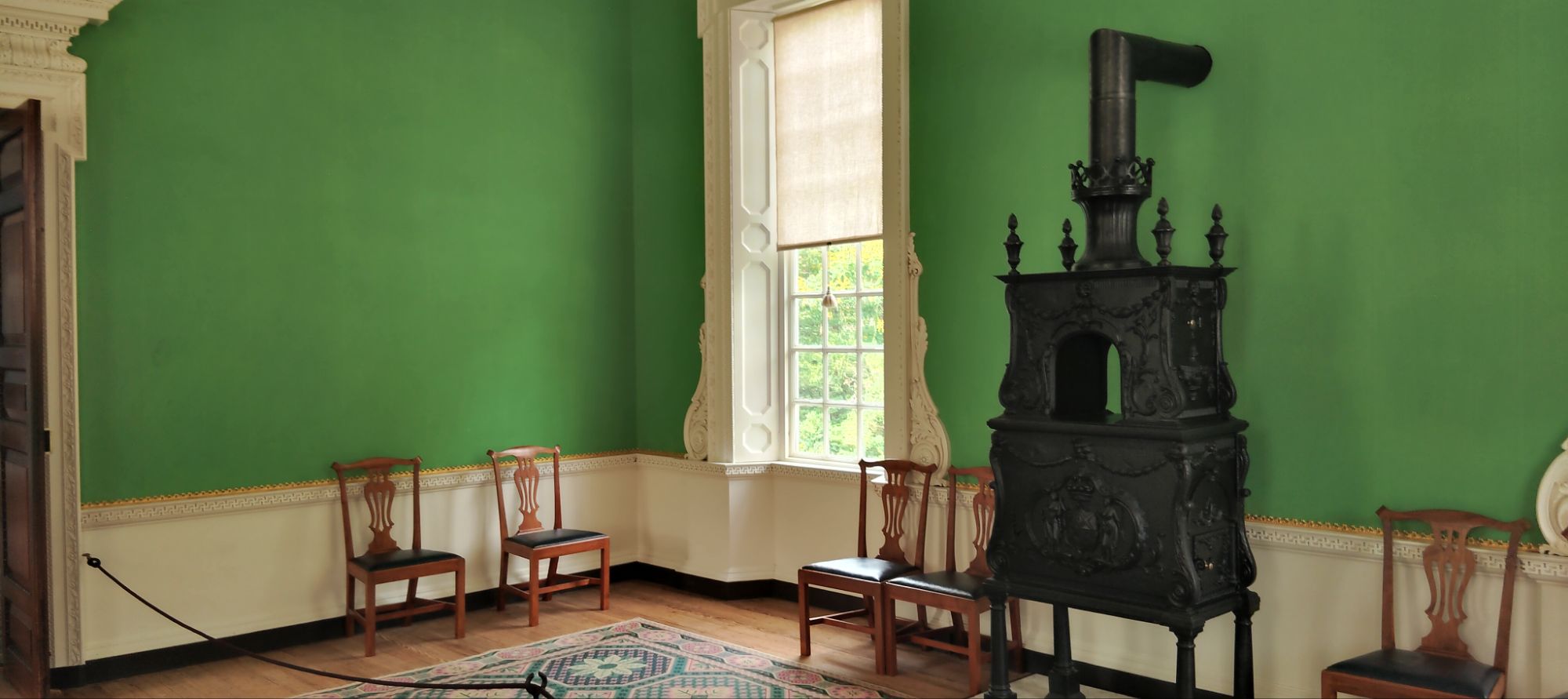
The rooms of the Governor’s Palace have been recreated to the historical time frame. I’m amazed at how the rooms are all interconnected. The kitchen and servant quarters are on the west side of the main house, but they were closed due to renovations, along with a few of the paths.
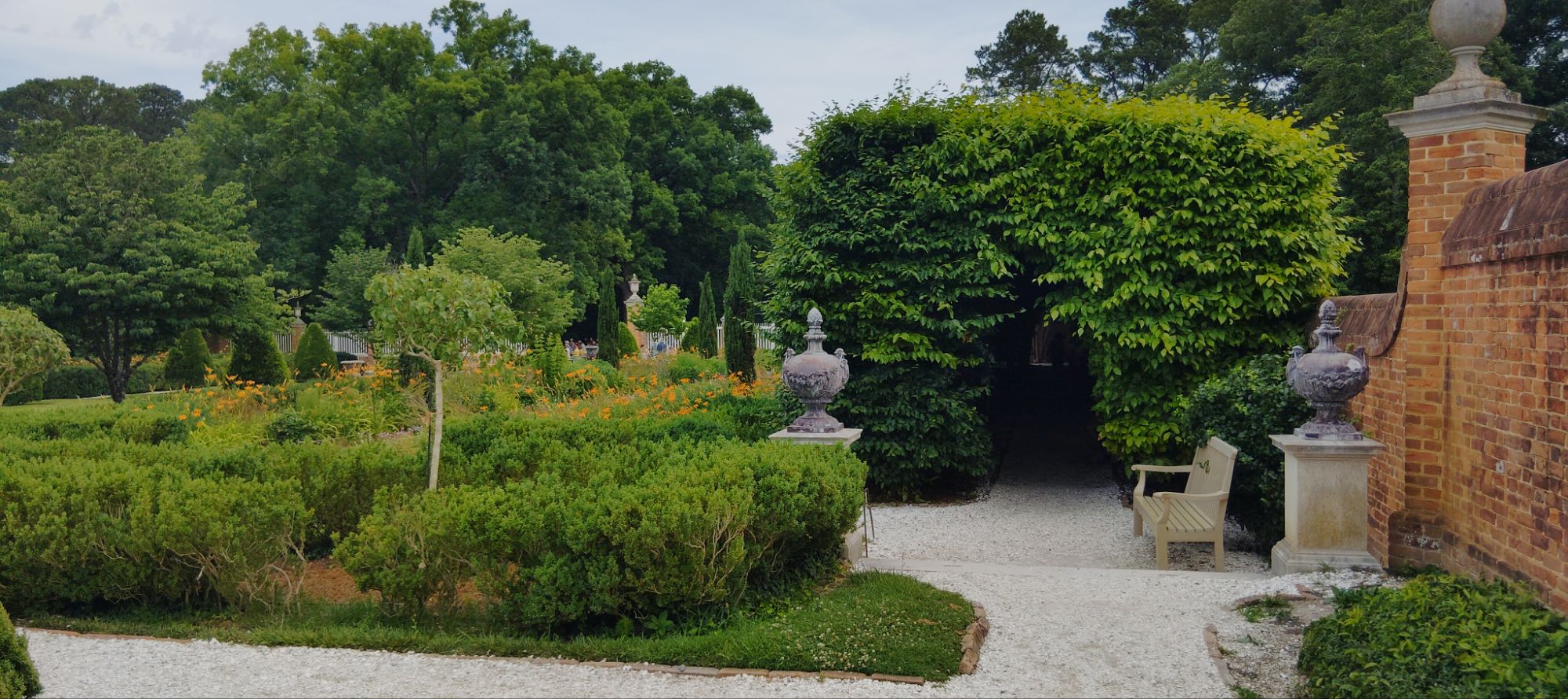
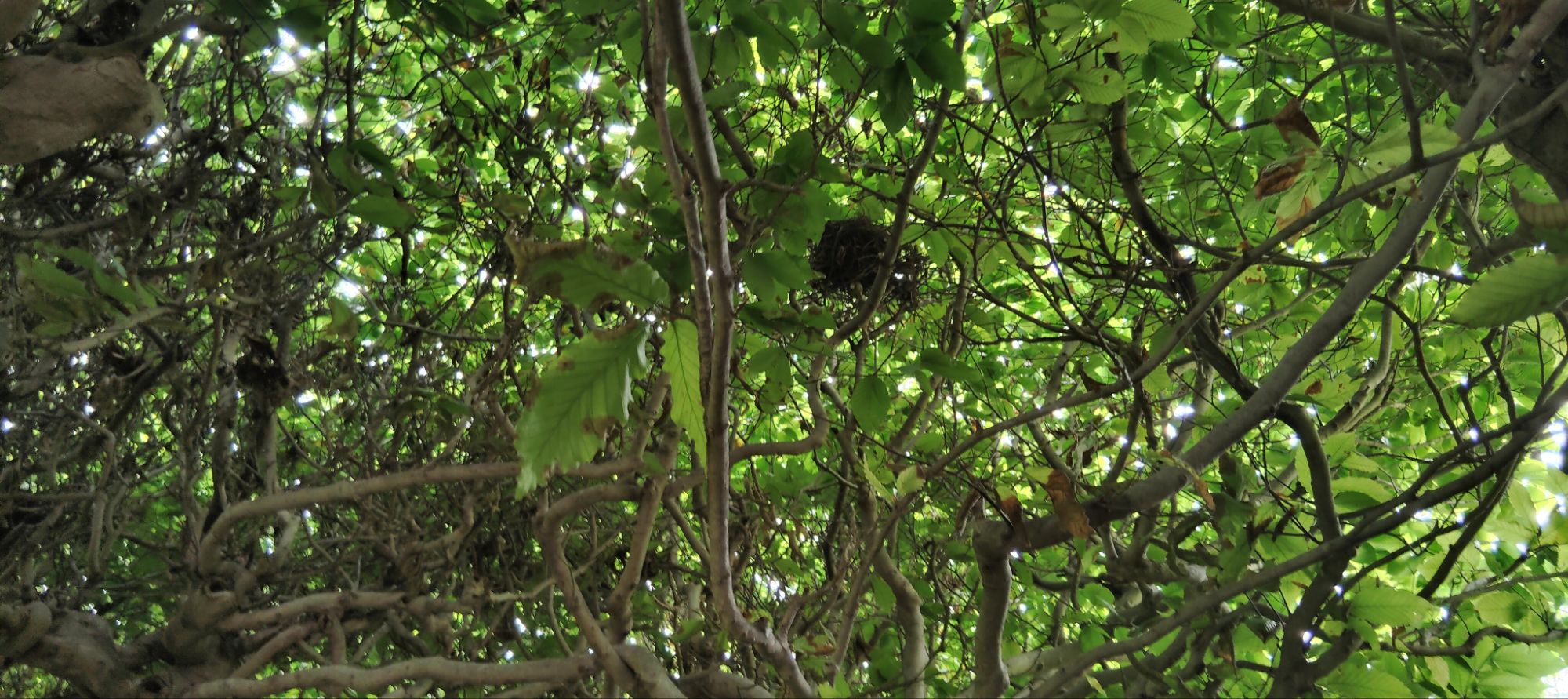
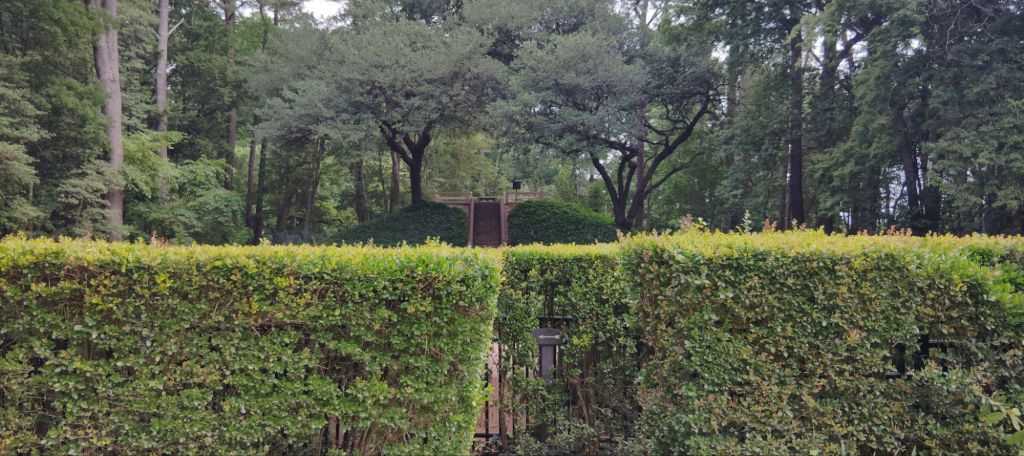
As you exit out of the Governor’s Palace, you enter the garden. It is very symmetrical which I’m guessing must be the trend for the 1700s. One each side were this tree/vine covered tunnels you could use to walk in the garden out of the sun. Just watch out because birds do nest in them.
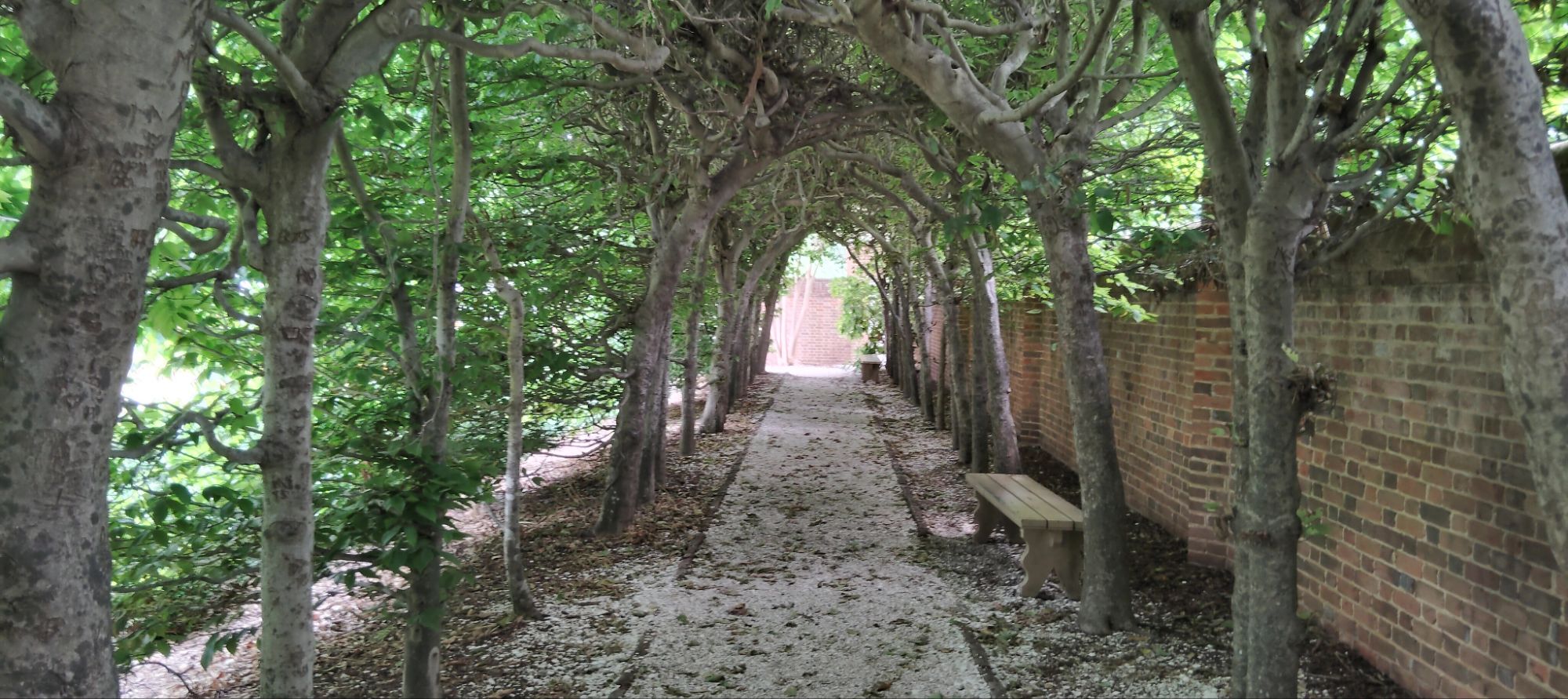
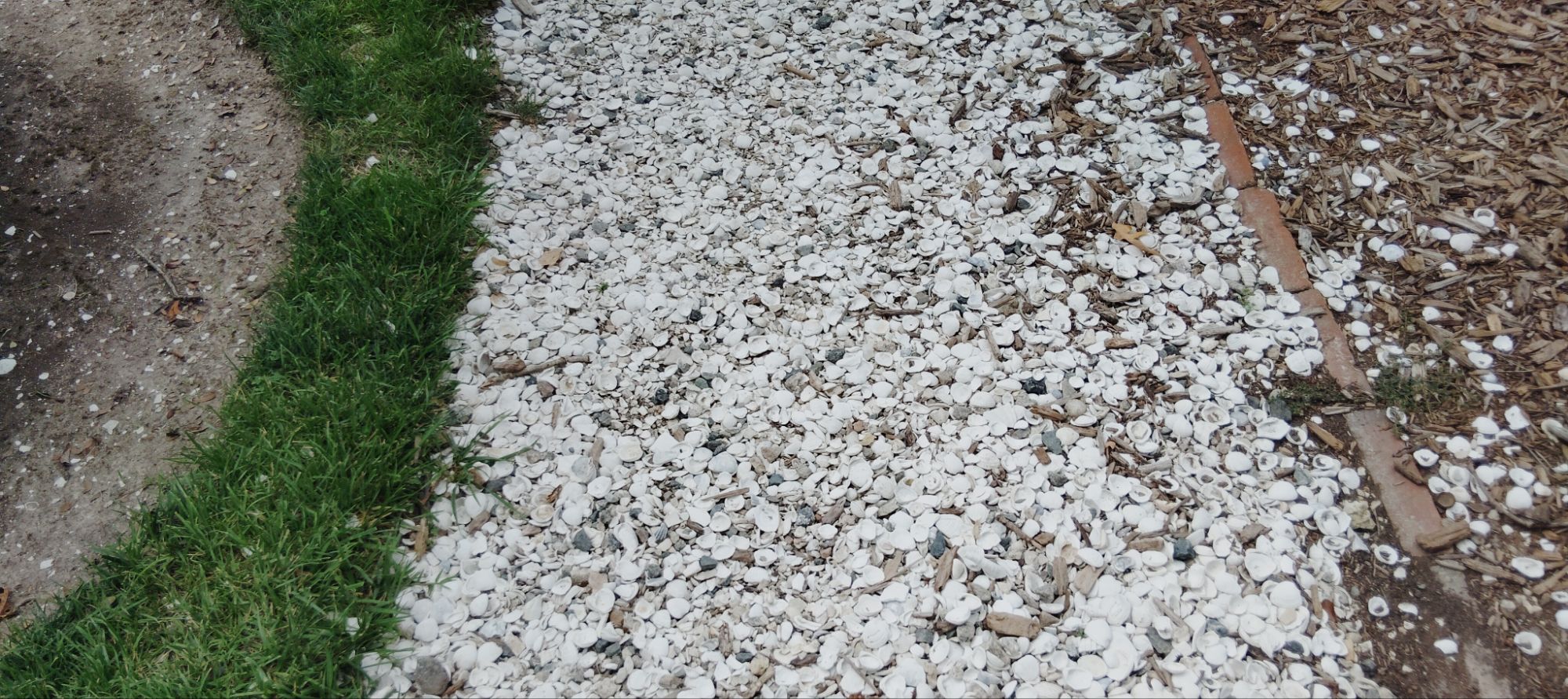
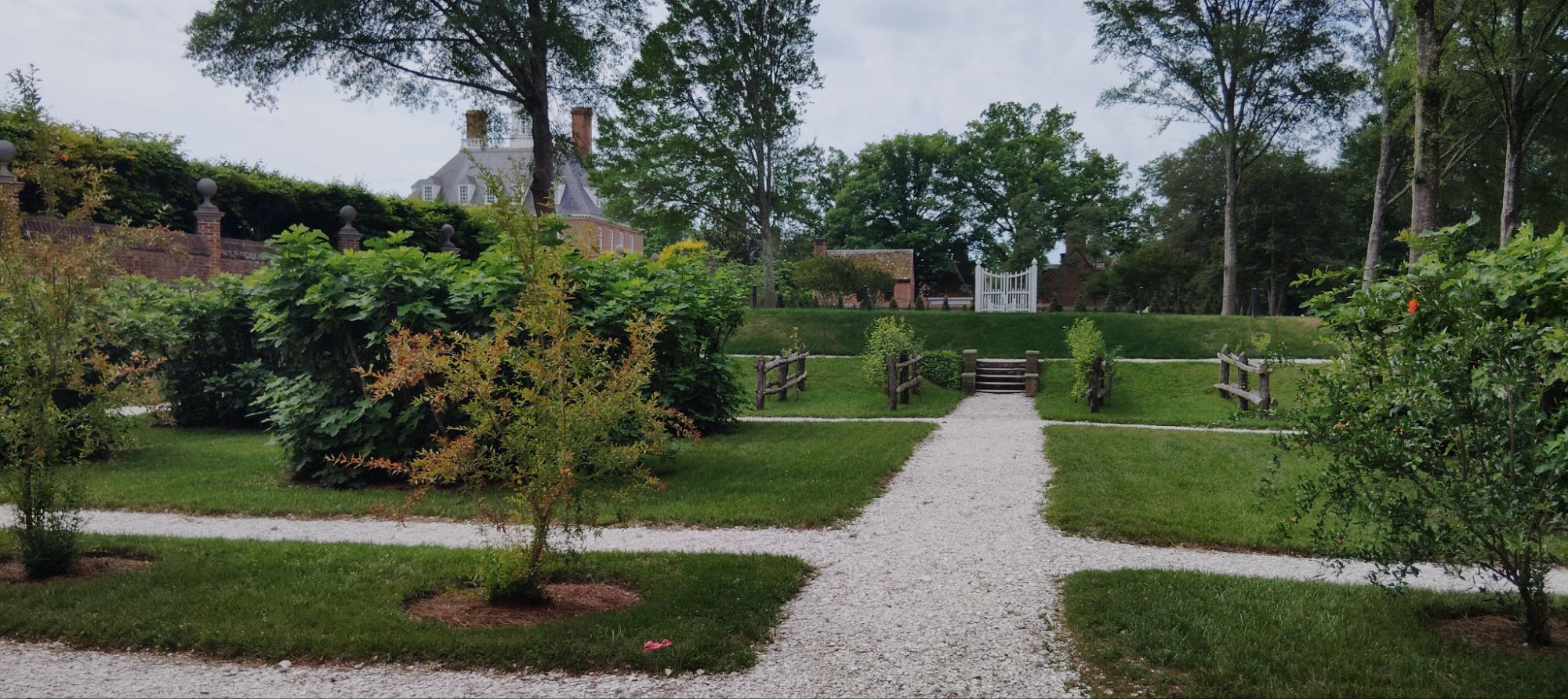
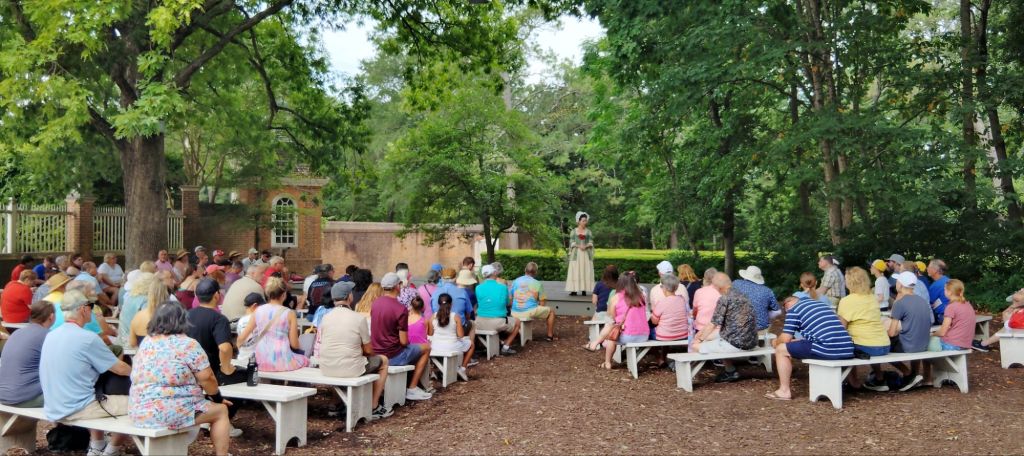
If you could leave the garden by the back exit, you would be lead to a stage were actors tell a story of the historical figure they are representing. This morning it was a speech from Martha Washington giving the Revolutionary War story from her perspective.
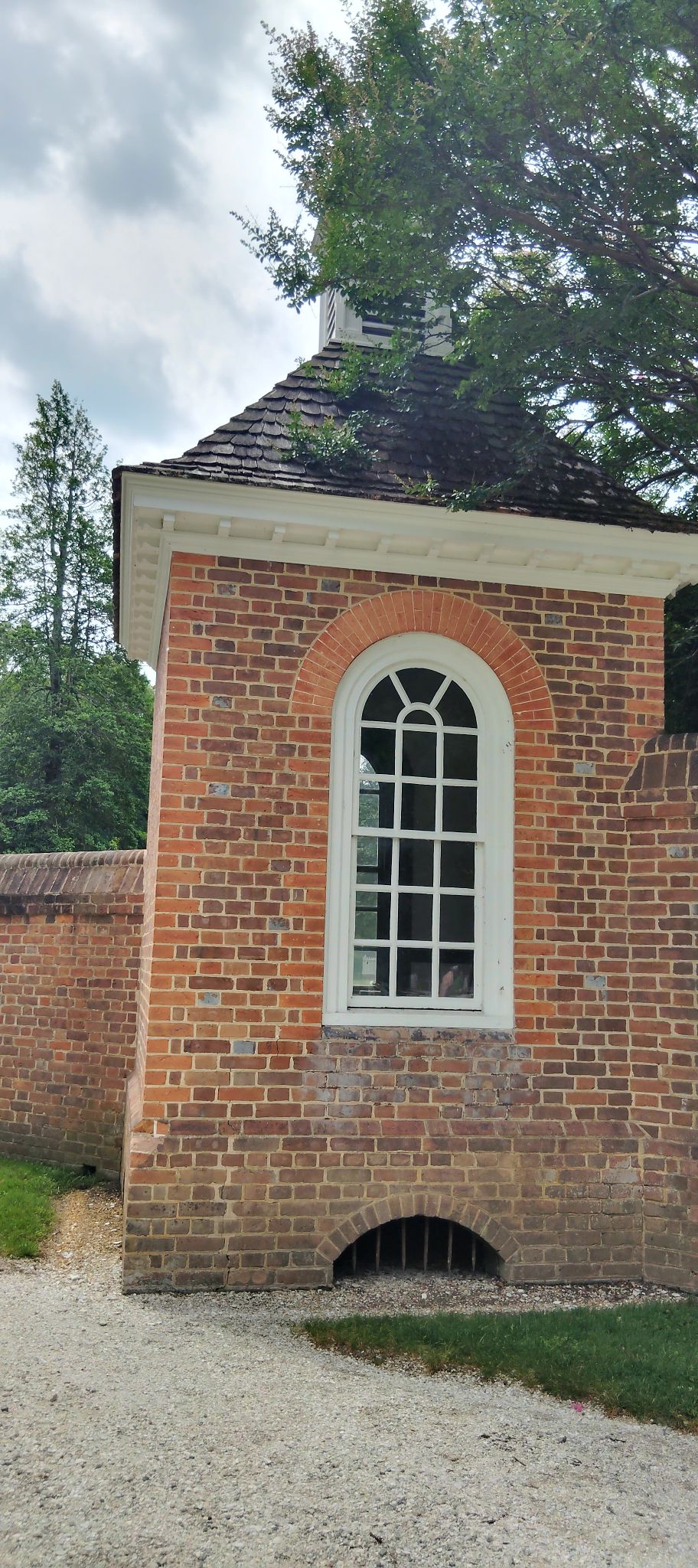
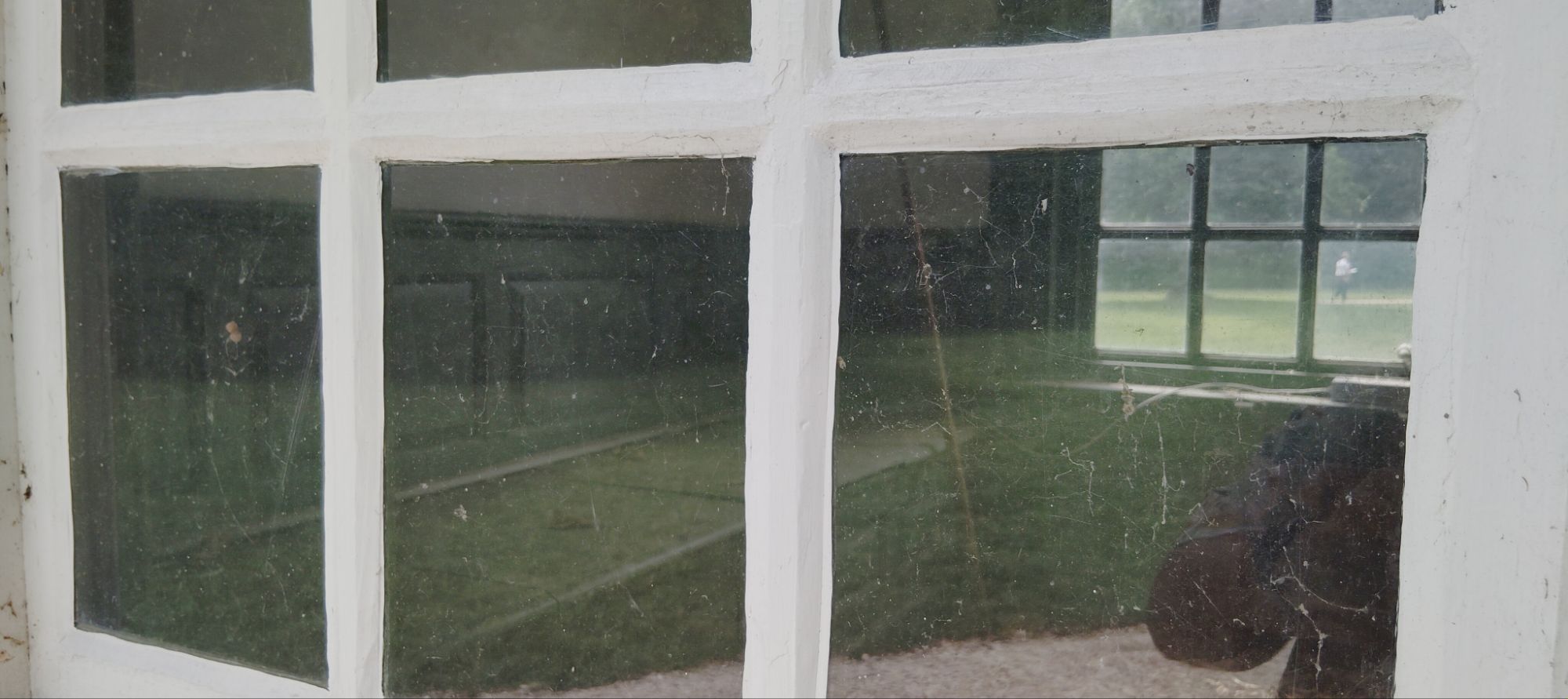
Now since you have to walk outside the garden wall and around the back, you get a good view of the wall and I wondered what these windowed corner rooms were. Inside was a bench. I’m guessing it was a place to have private conversations.
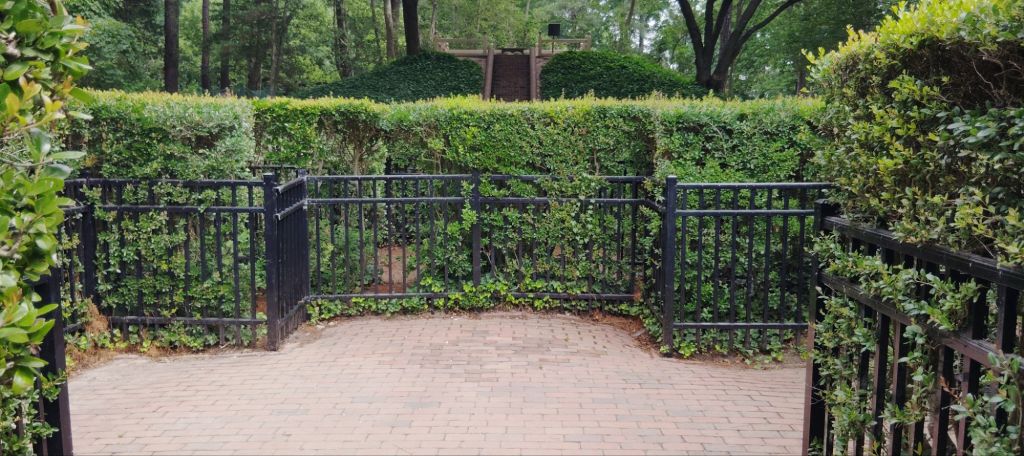
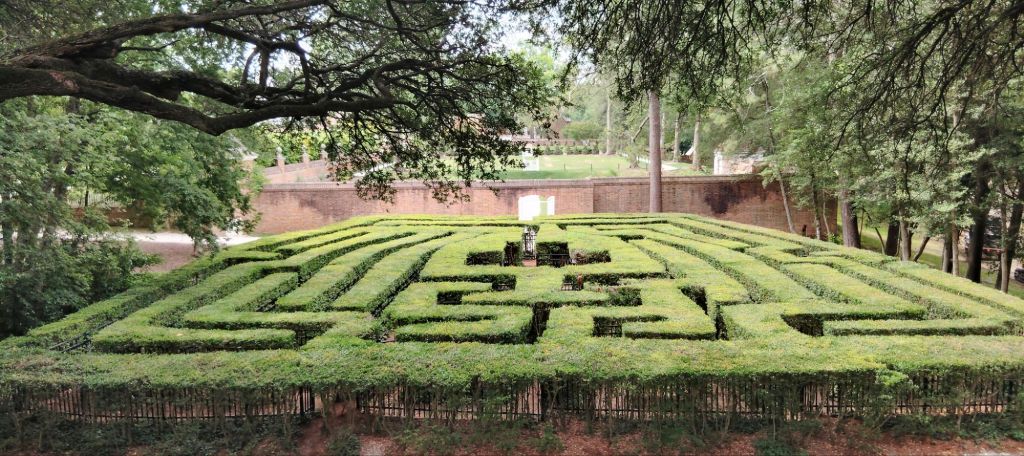
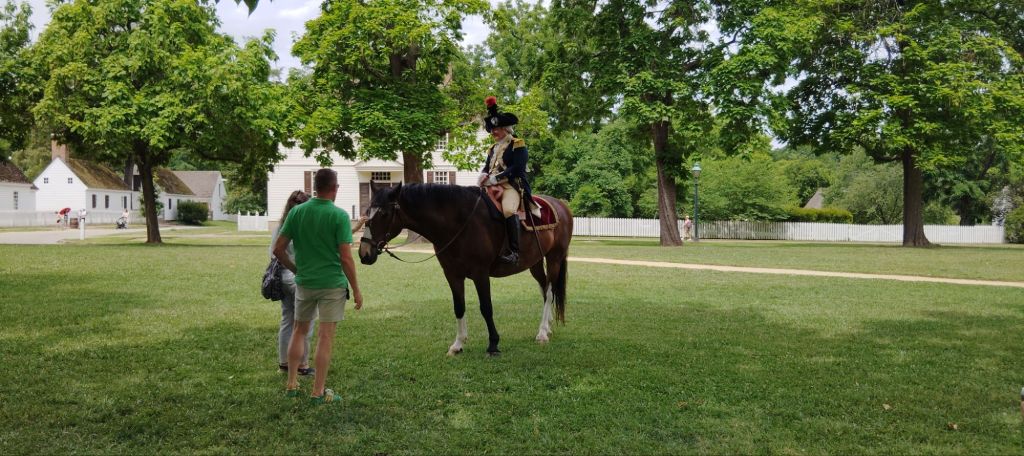
Leaving the Governor’s Palace area you have the option to walk down 2 parallel streets with various houses and businesses. Reenactment actors can be found along either road. If you have questions just approach them and they will start up a conversation. I only took a picture of the gentleman on a horse.
Between the streets is a wide open area.
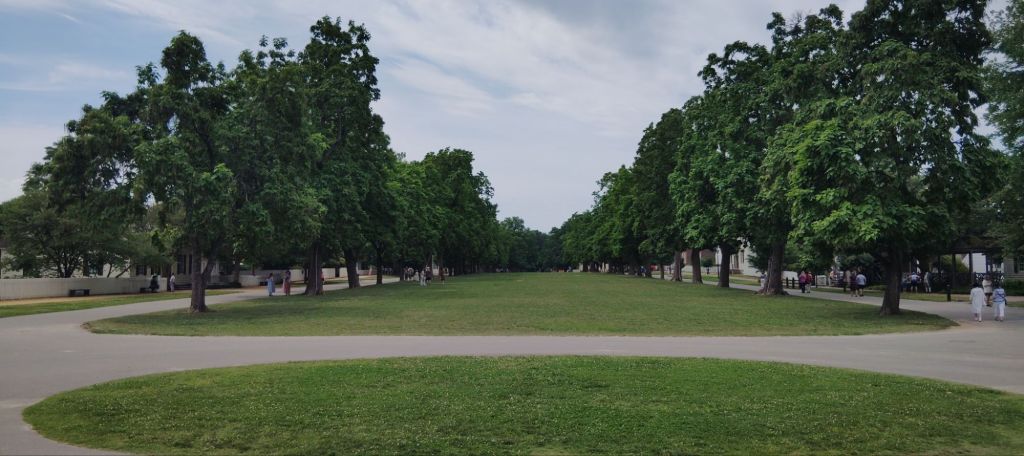
Walking down either of these streets will get you to the main street, The Duke of Gloucester Street. Turning to the east or your left if you have left the Governor’s Palace will take you to the Capital. This road is about 1 mile long.
I forgot to ask, but I’m guessing the street was actually this wide between the housing and businesses to allow wagon traffic to move both directions.
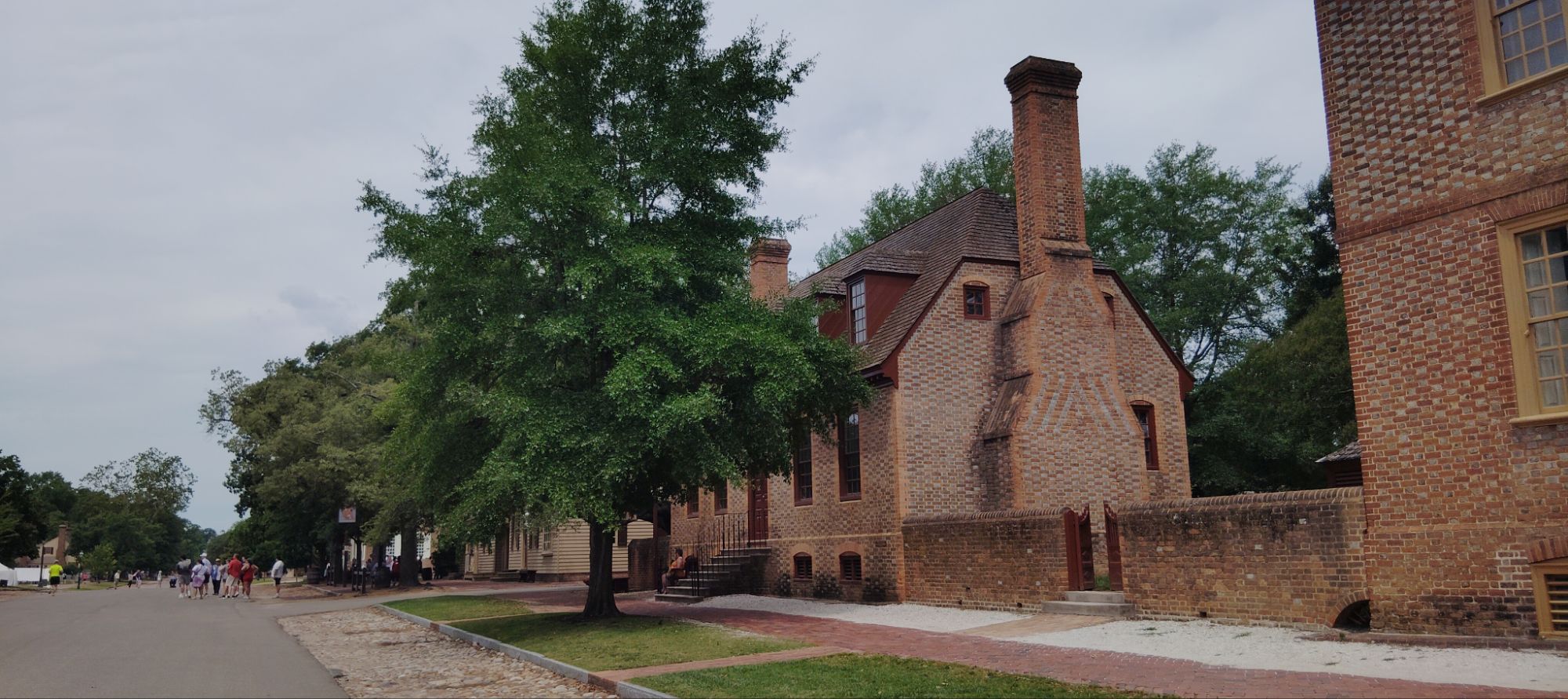
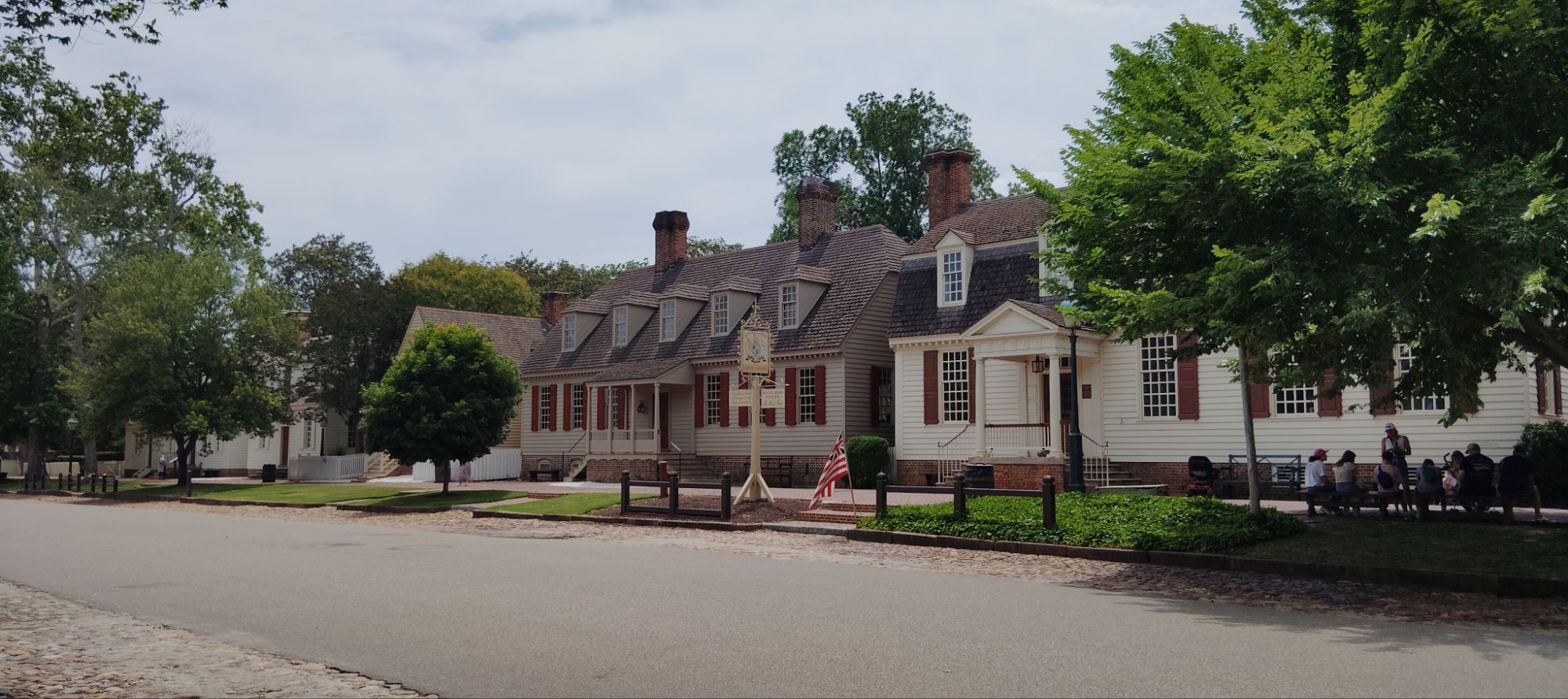
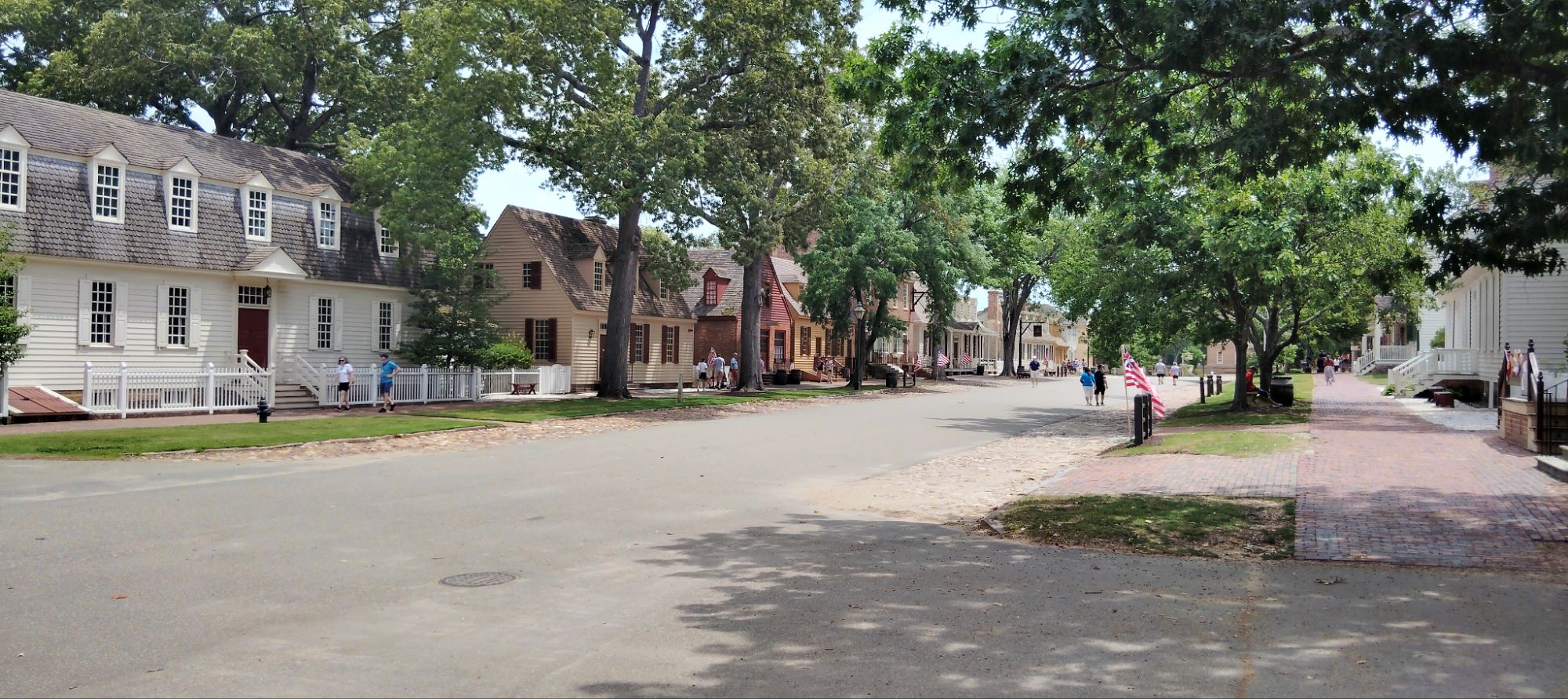
On the left, or going west, you will find Bruton Parish Episcopal Church, one of the oldest active churches in the United States. In it’s steeple is the sister bell to the Liberty Bell, just without the crack.
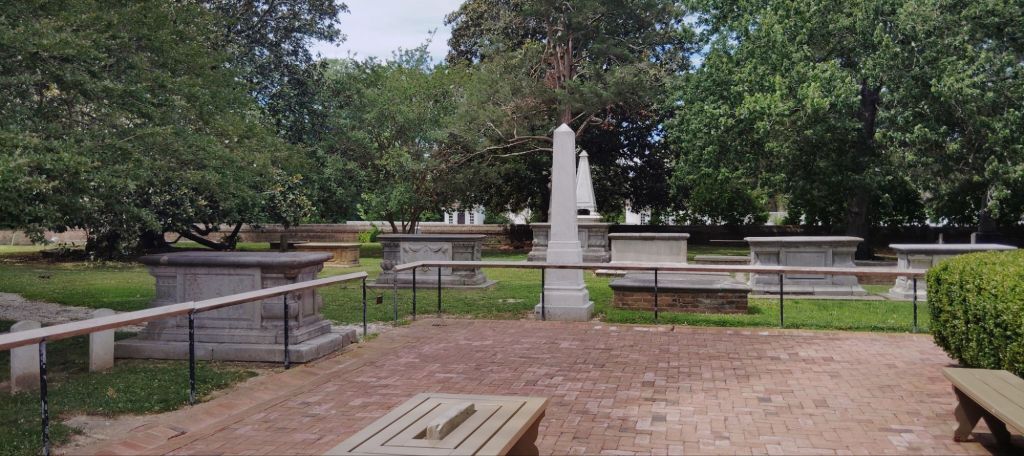
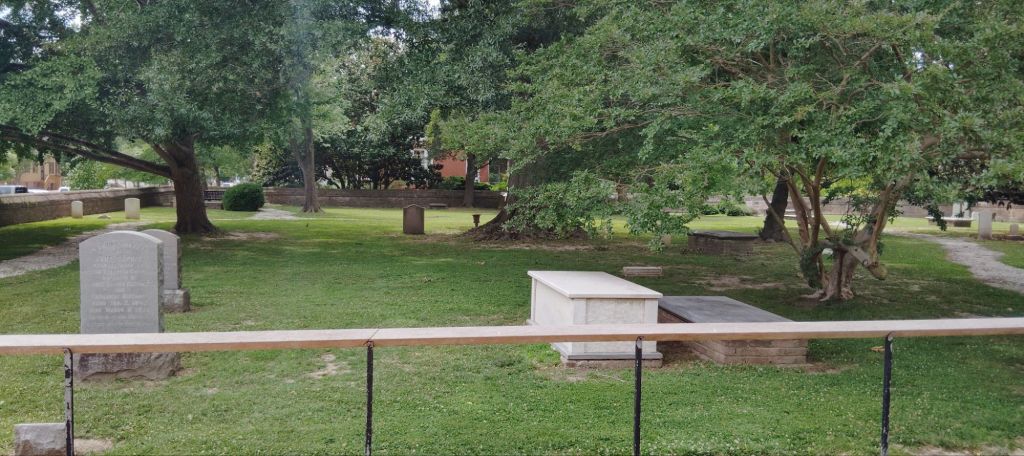
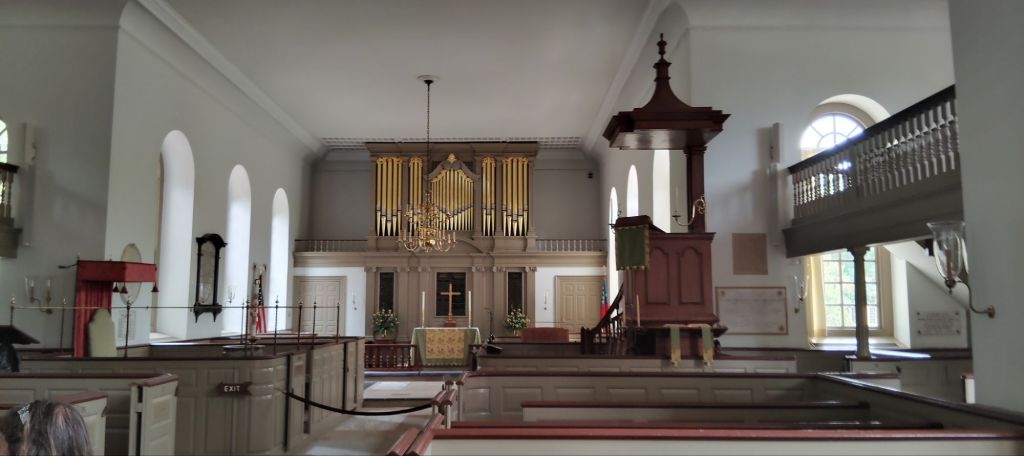
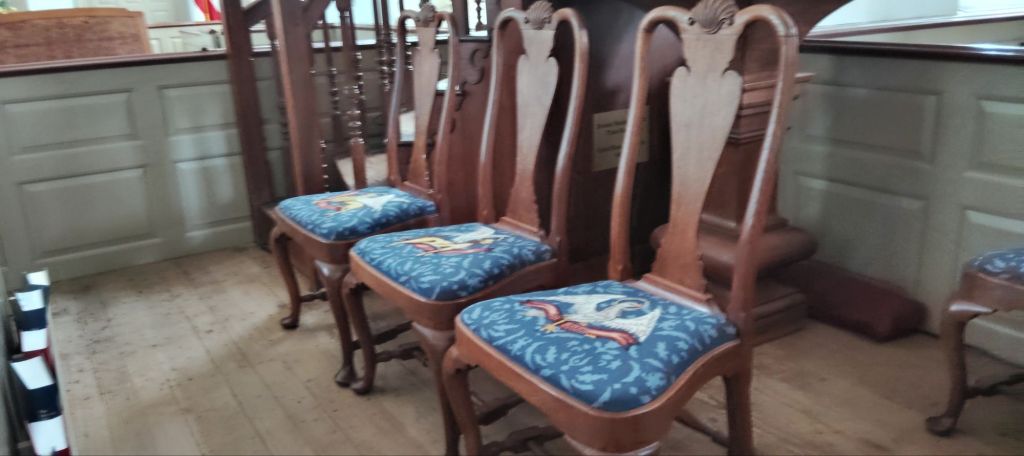
Now it wasn’t opened when I was there in the morning, but I came back later and found it to be opened so I took a short walk through. This would have been the church George Washington, Thomas Jefferson and others that signed the Declarations of Independence would attend when in town on a Sunday.
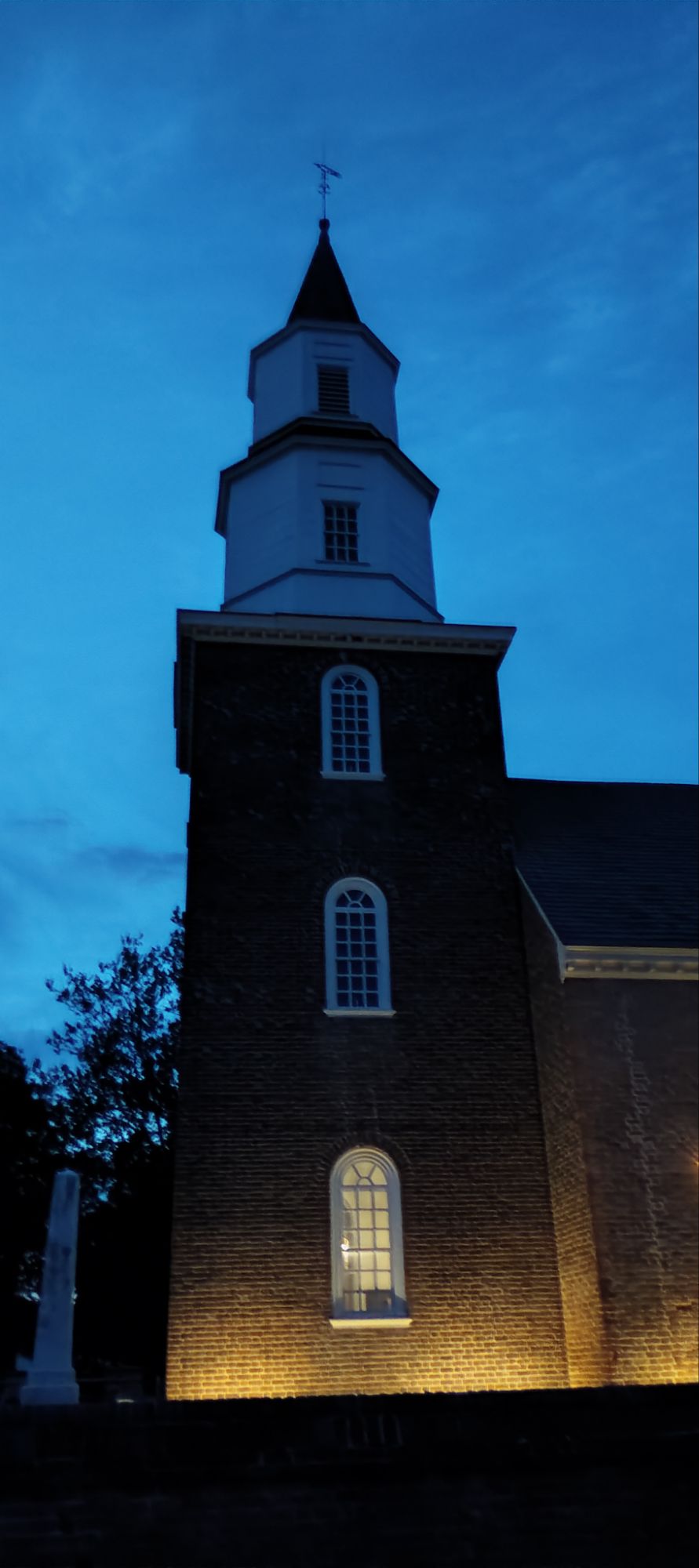
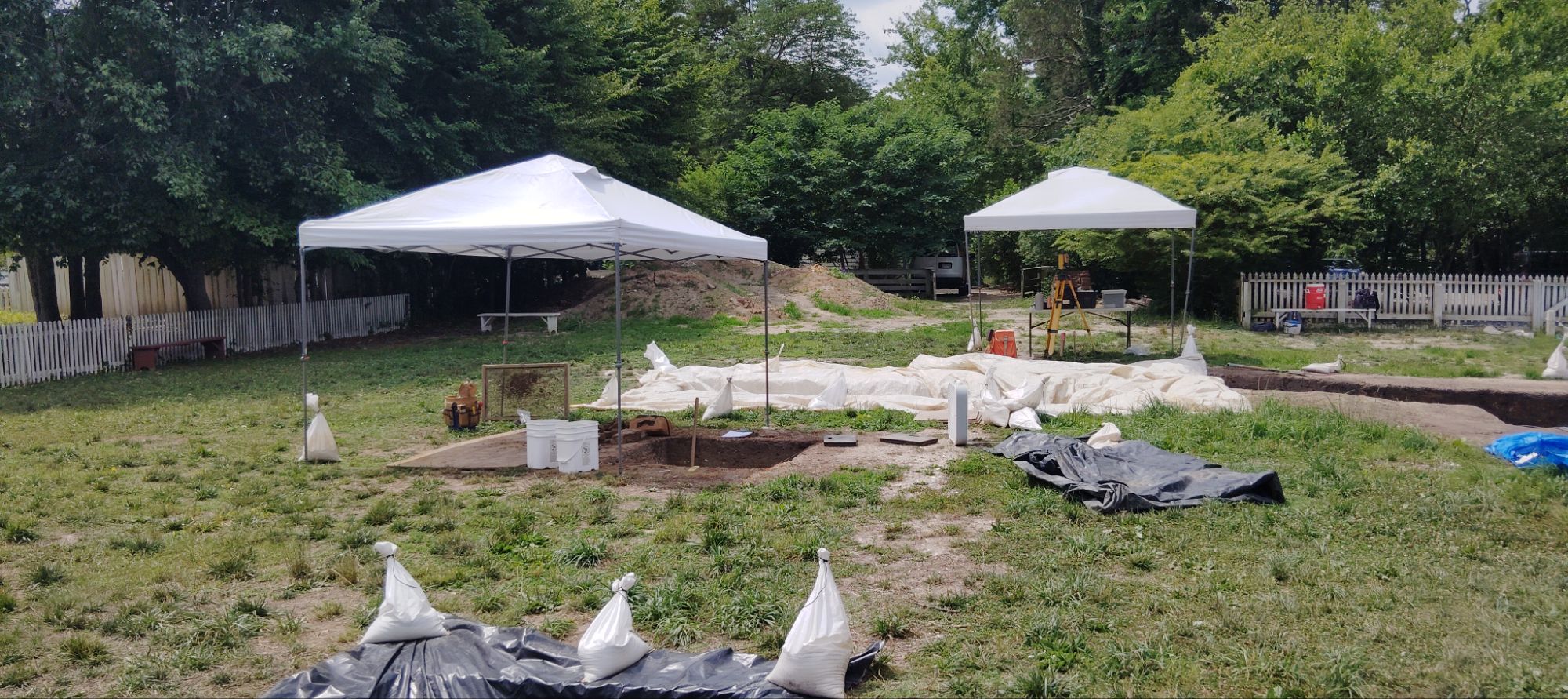
Across the street is the Peter Scott House and Shop Archaeology Project. Peter Scott rented this house and was one of the prominent tradesman in the town know for his cabinet making skill. Now, there is an interesting connection to the owner of this house and the first, first lady of the United States, but you will have to visit to learn that story.
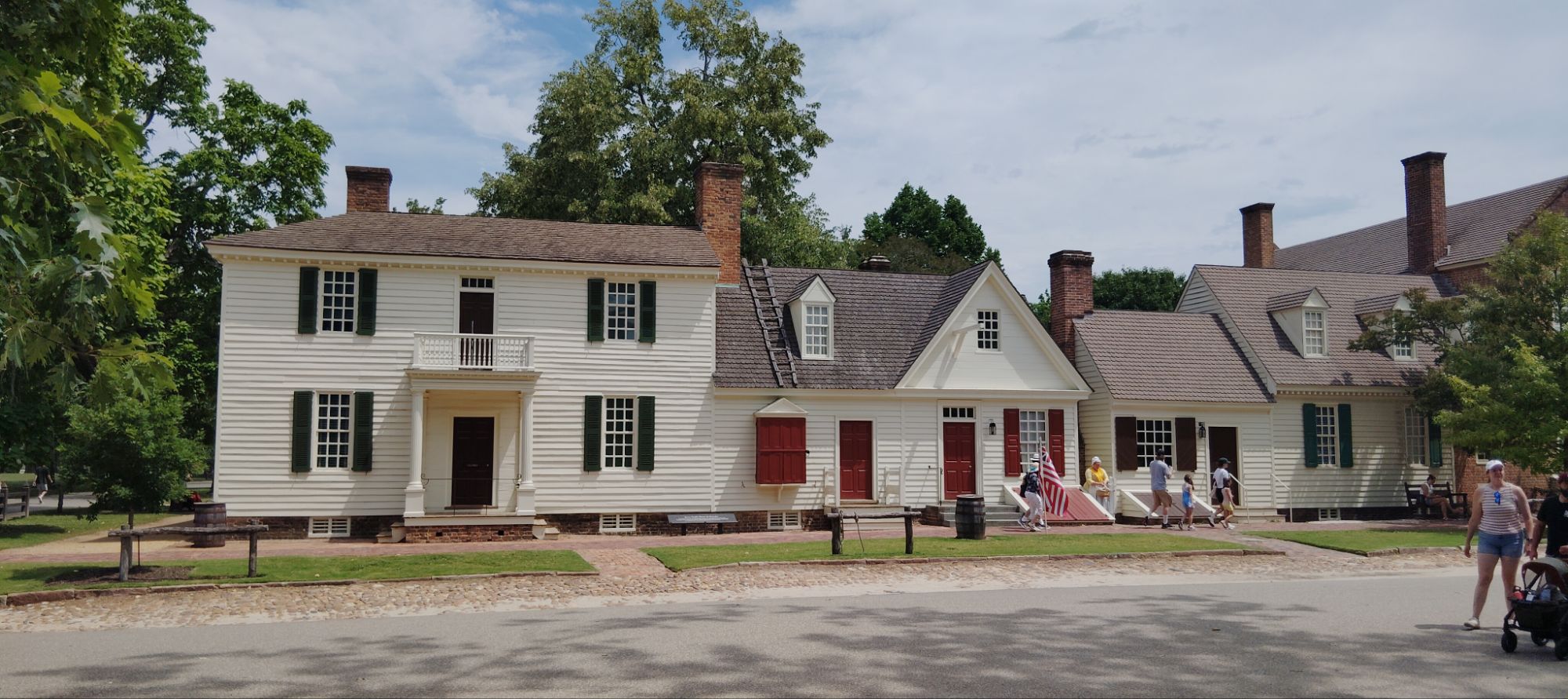
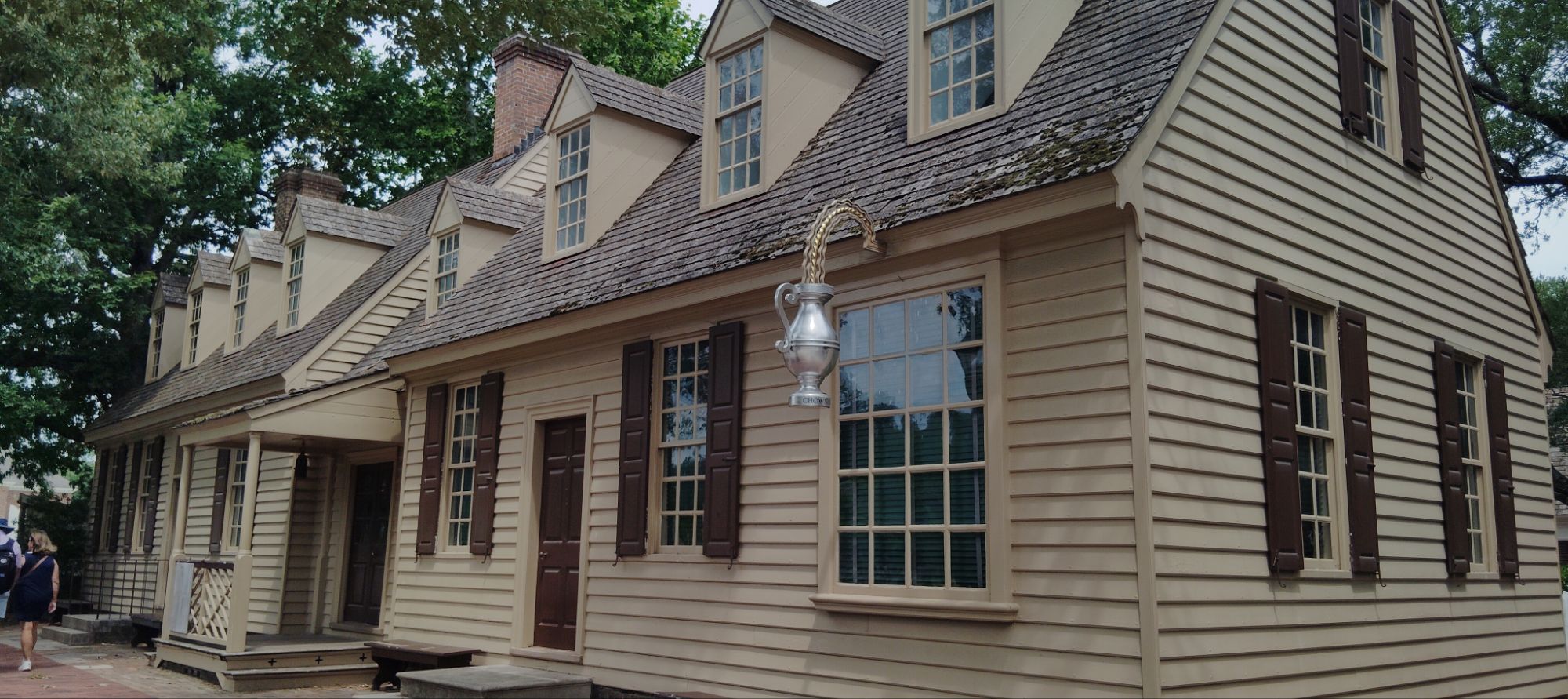
Moving along the street to the east, toward the Capitol, you will have the opportunity to visit a variety of different homes, businesses, or taverns. To know if they are open, each building will have a flag flying outside. Some of these buildings require the same ticket you used to visit the Governor’s Palace and later will need to visit the Capitol while others are free to the public. Check you map to know which is which.
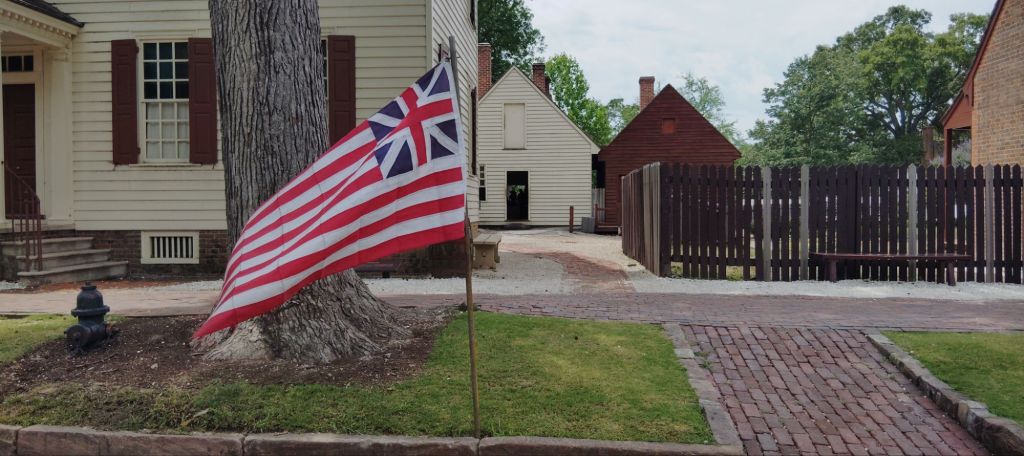
Reminder that some of these are the actual buildings while others are recreations.
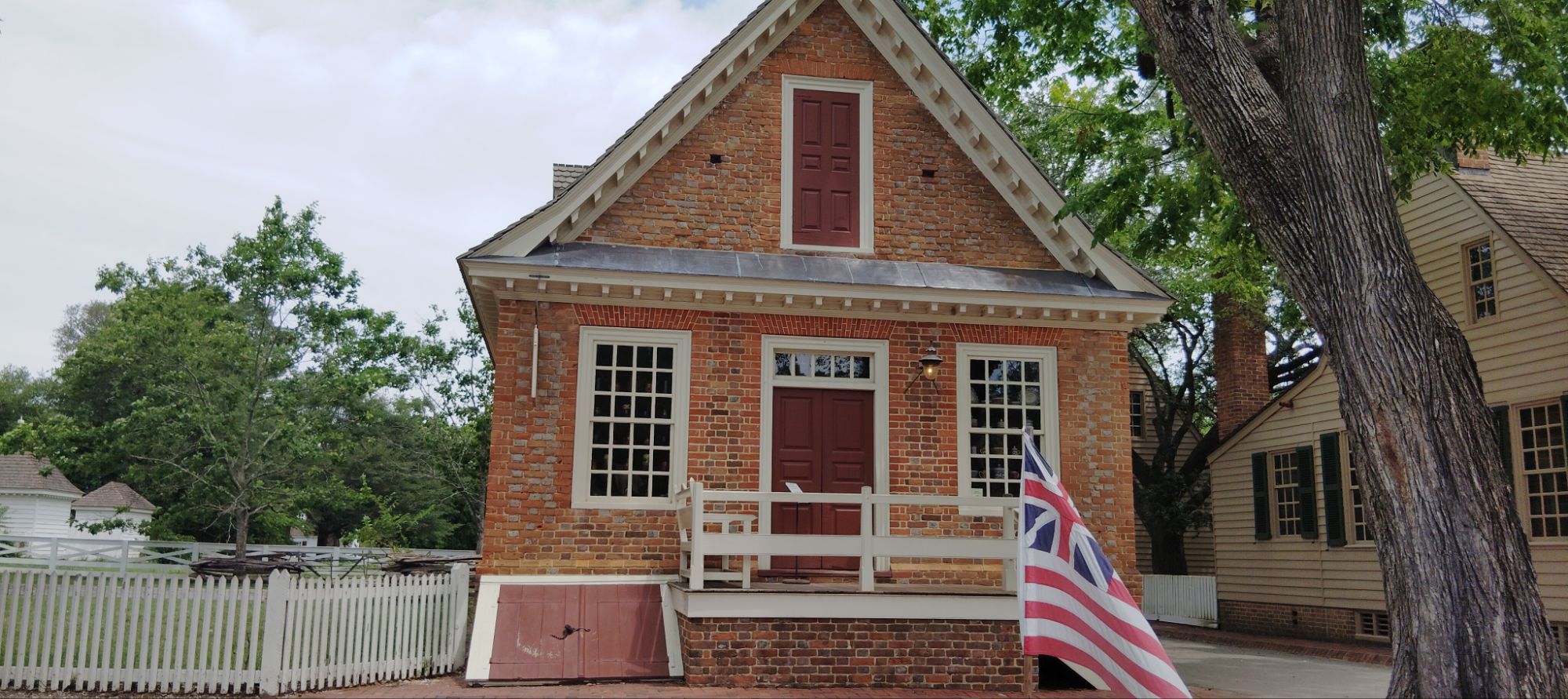
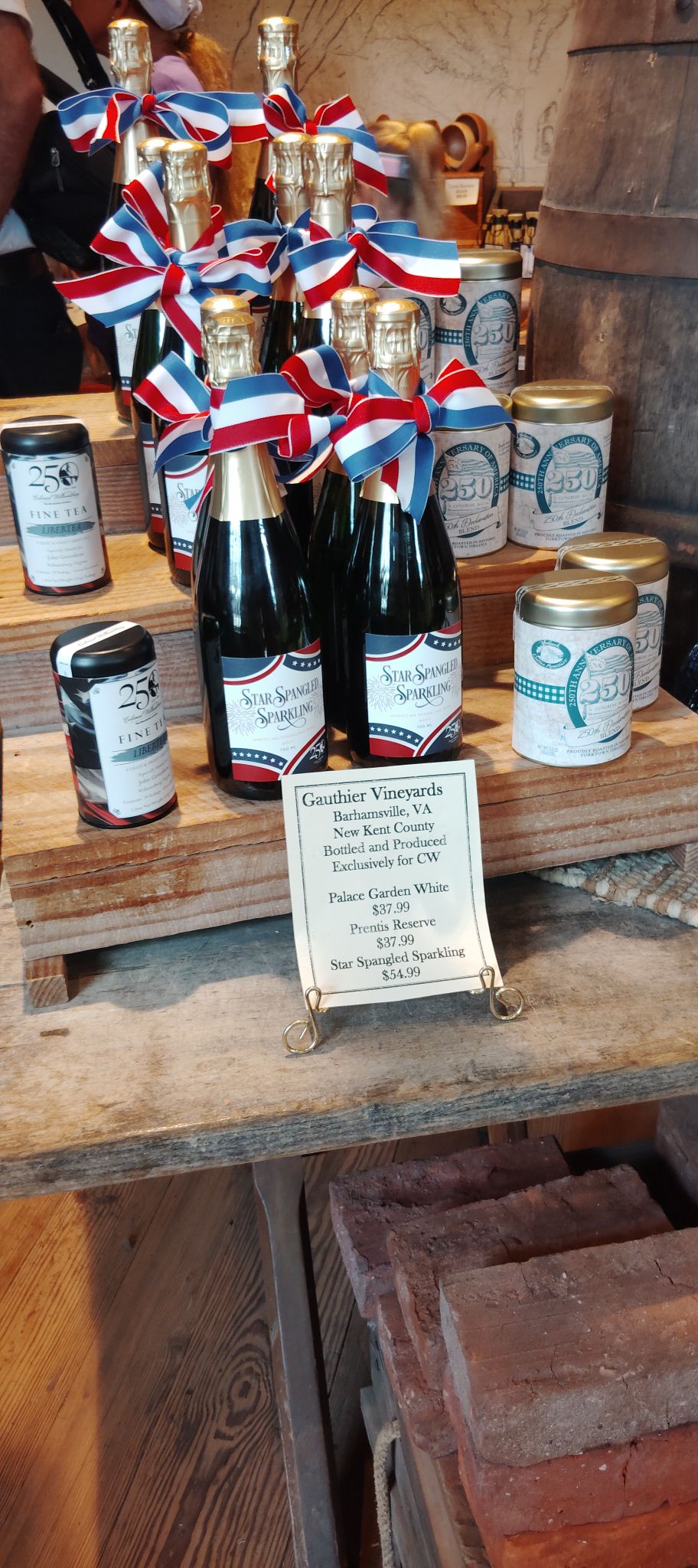
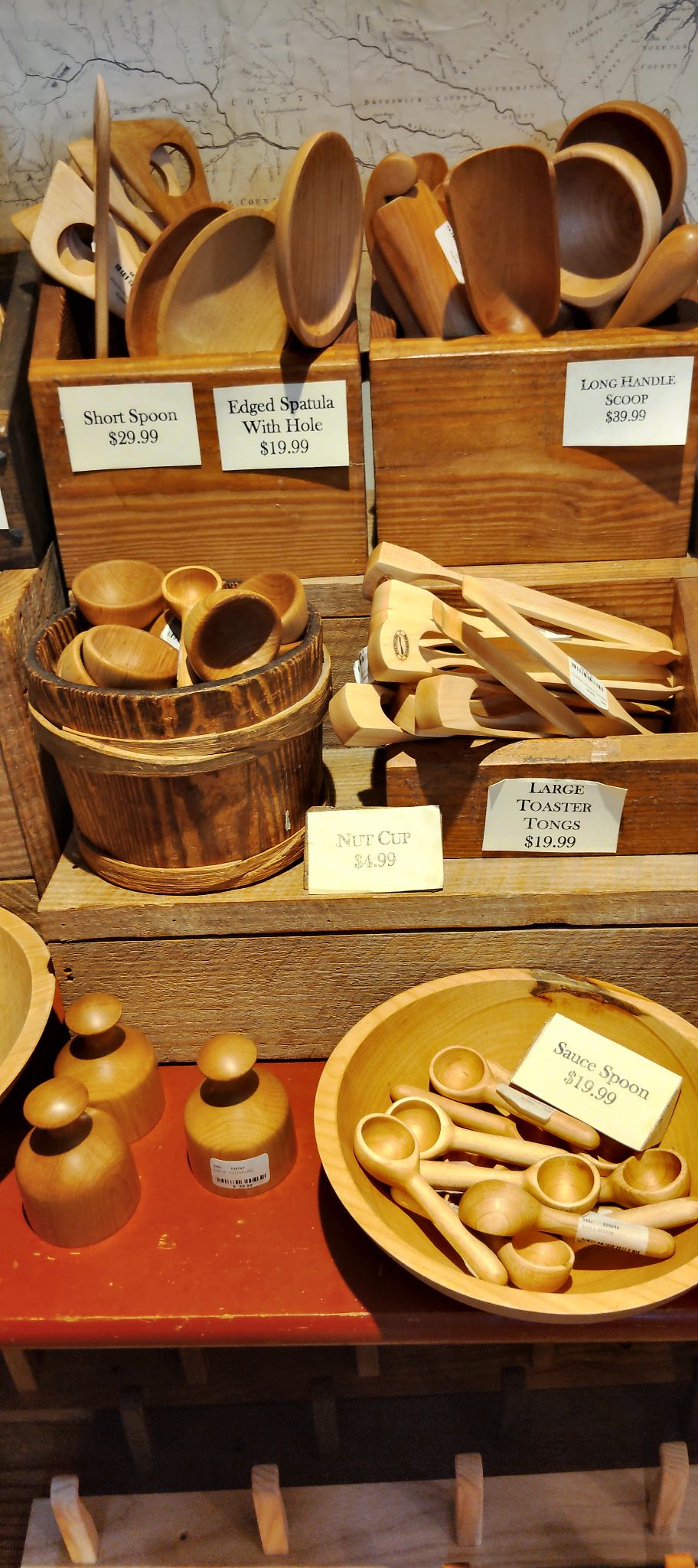
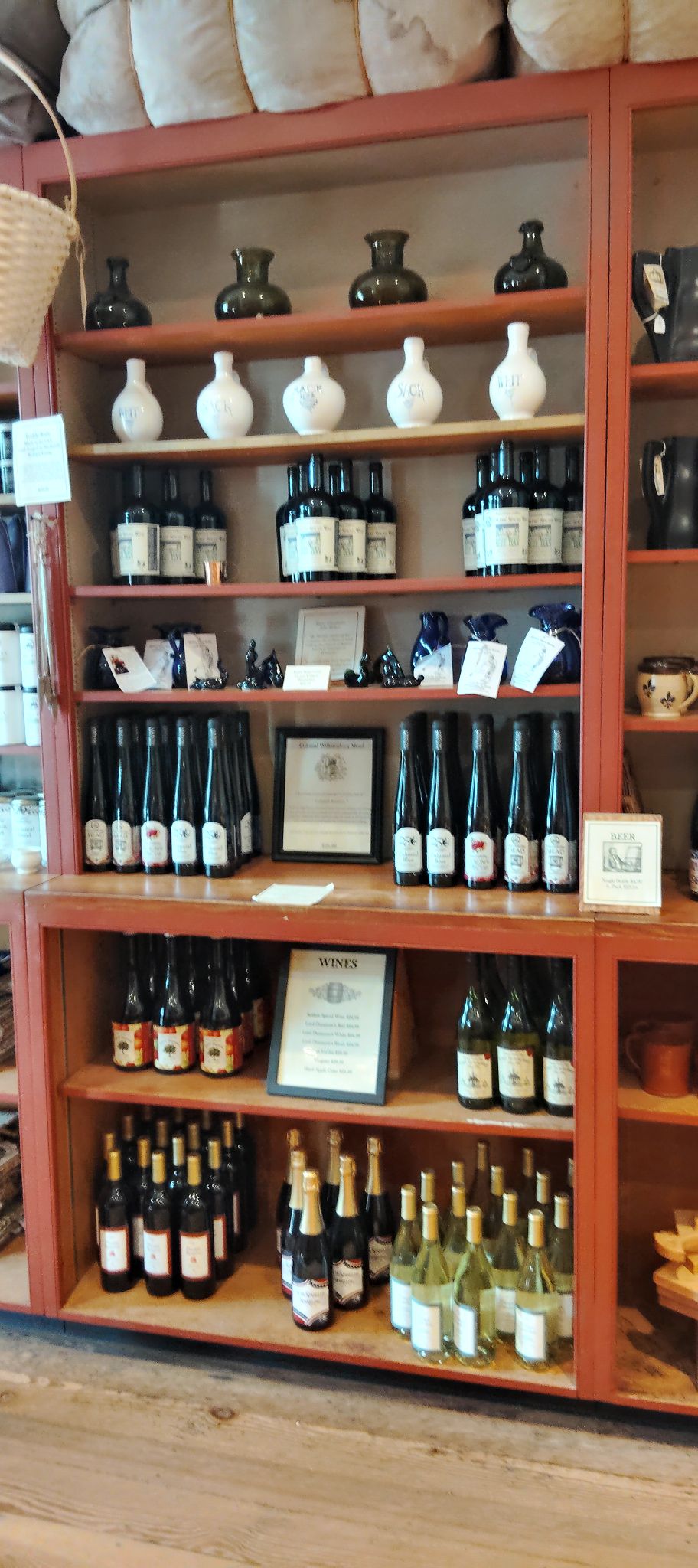
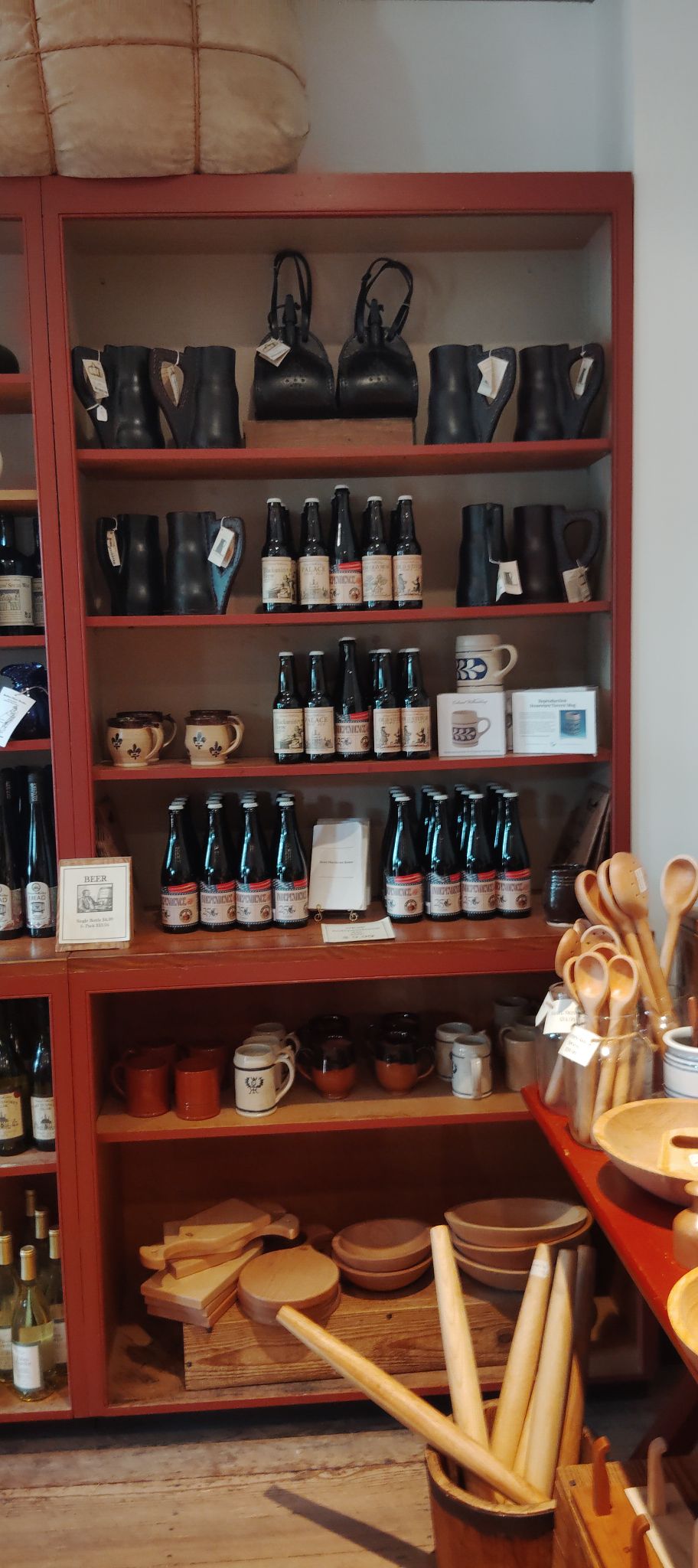
Some of the buildings that were mercantiles in their life have been revived and continue to be places were the public can buy goods.
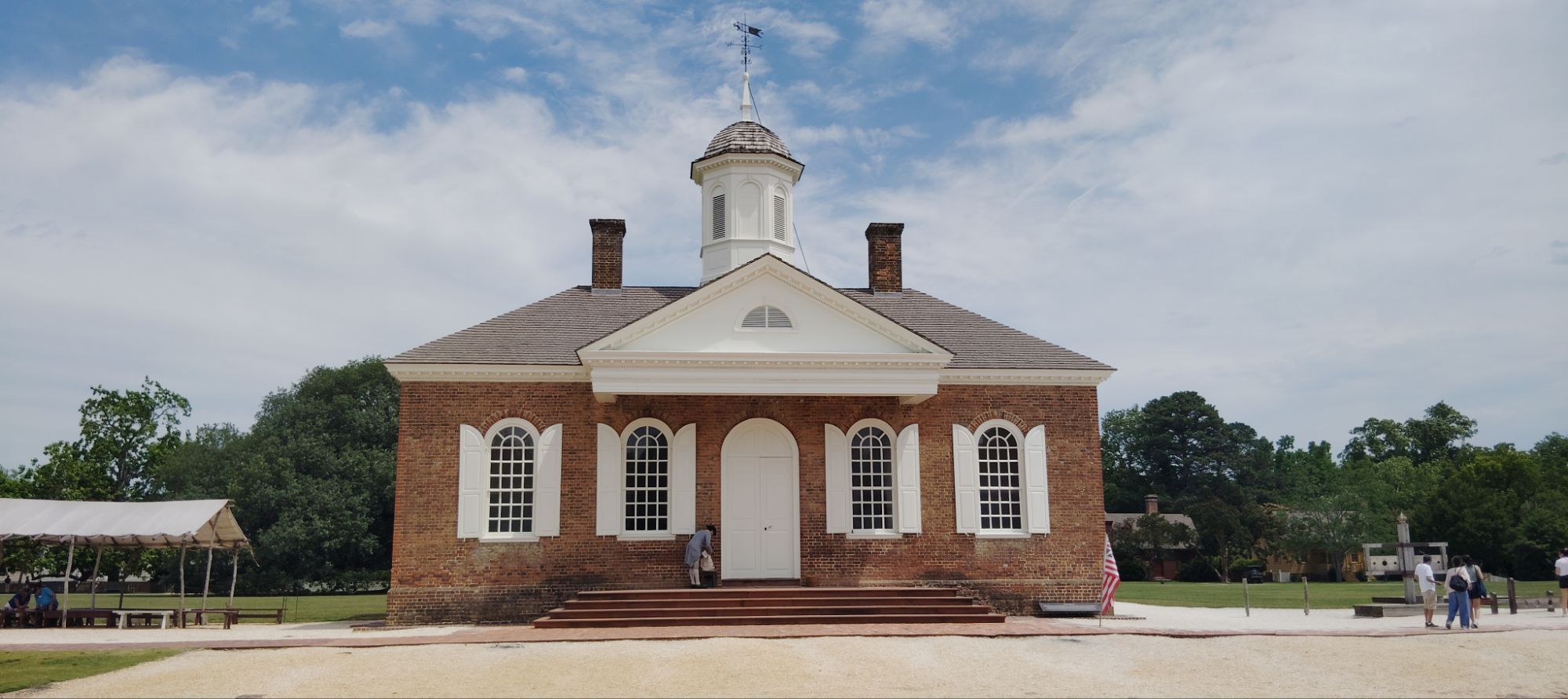
When you reach the Capitol This was the seat of power for the colony of Virginia after it was moved here from Jamestown. Both the upper (Governor’s Council) and lower (House of Burgesses) legislations met here. Many of the future signers of the Declaration of Independence were members of the House of Burgesses. This was also the location of the highest civil and criminal court. Blackbeard’s pirate crew was sentenced to be hanged in this court.
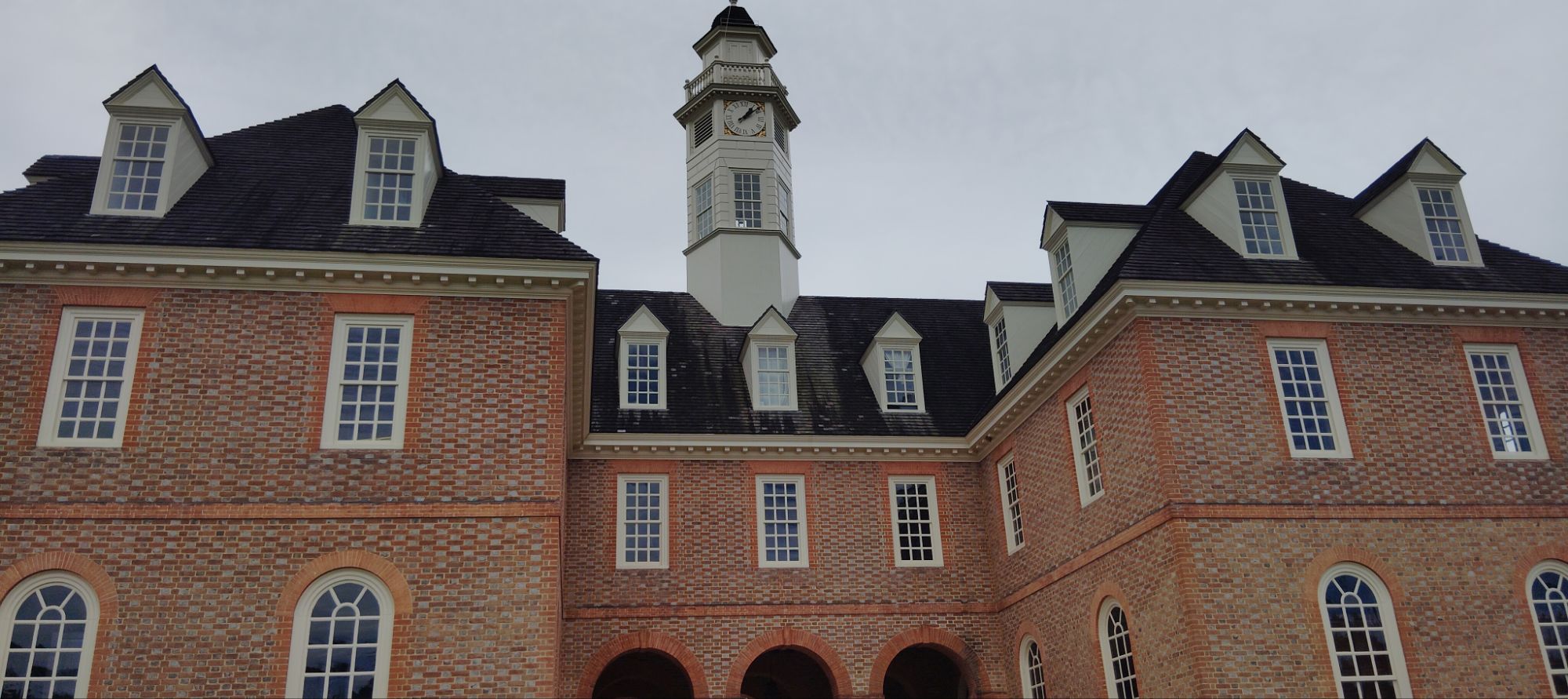
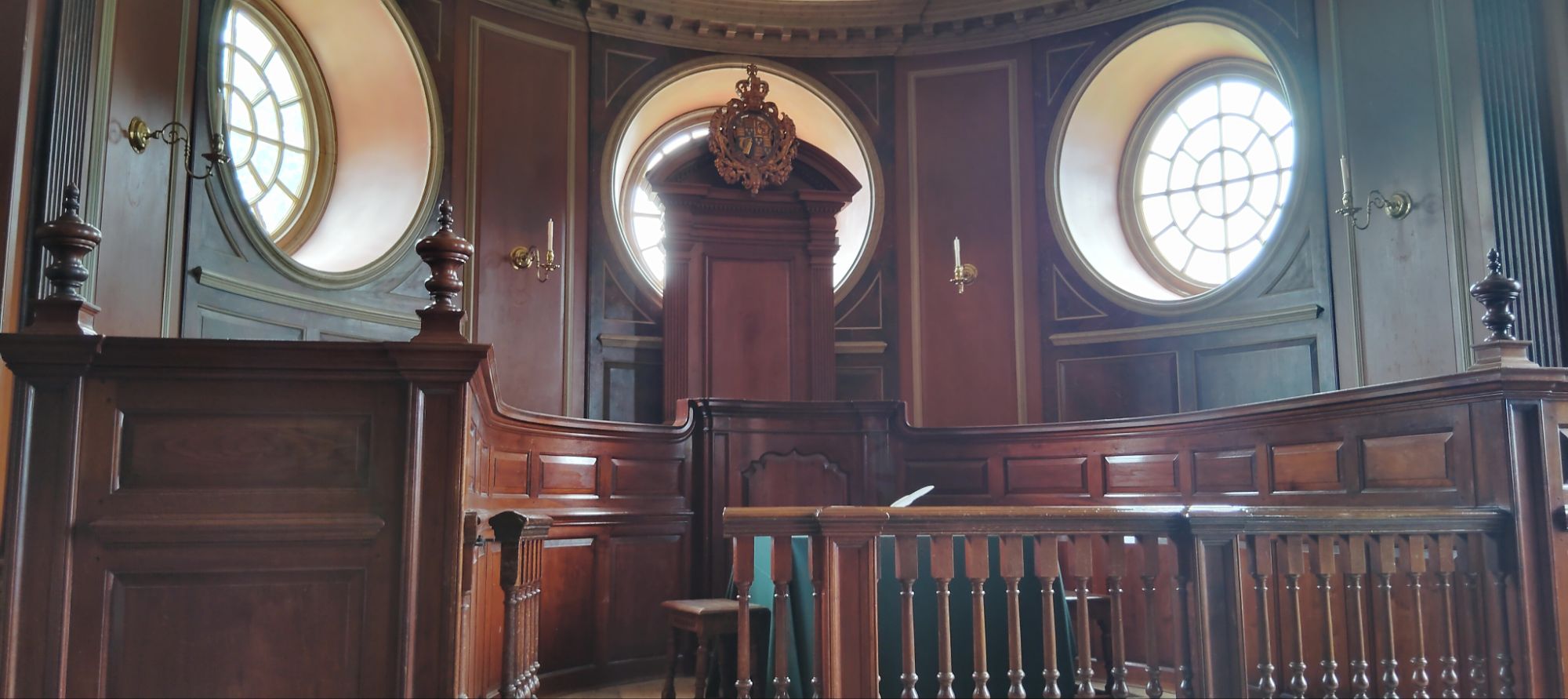
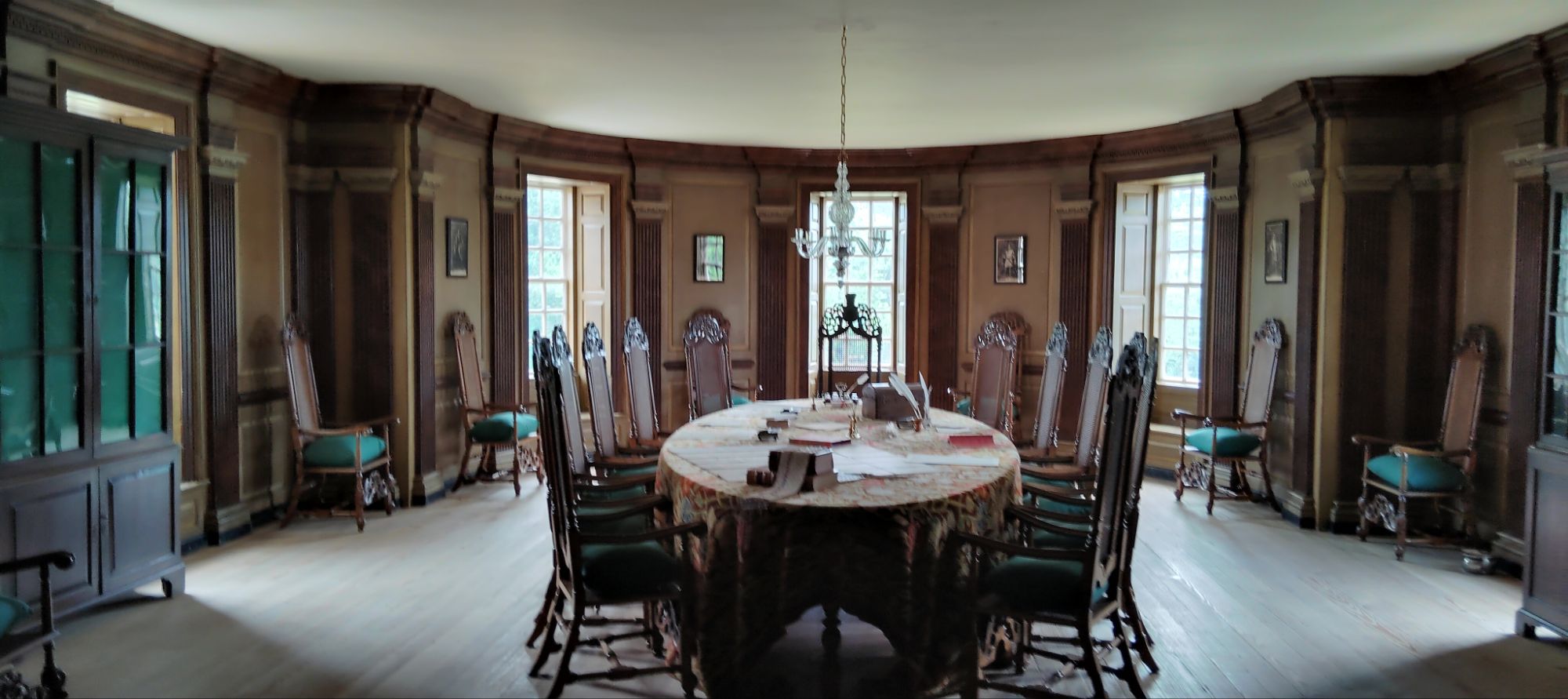
After all this walking and still some more to come, FYI, some of the pictures of the street I posted above are through out the morning and early afternoon. I just decided to lump them all together because the narrative was the pretty much the same. Now, dinning was something that was unique.
There are a variety of places you can eat to experience dinning in the 17th century. You could eat at the King’s Arms Tavern if you want more of an upper class take or your could pick the Shield’s Tavern with a middle, lower class dining. Regardless which tavern you pick, the menu is limited. Just like in the 17th century there was not a great variety of dishes and the kitchens were not stocked with a large variety of items. Remember, there are no refrigerators or freezers. Now if you want to plan your dinning and not wing it like I did, be sure to check out the official dinning website linked —> HERE.
I opted for the Shield’s Tavern and the groaning board option, which is a salad, beef and chicken main dish, with 3 sides. The day I visited the drink menu was limited to water, lemonade, ice tea or soda. The adult beverages were not being served. So I didn’t get to drink a pint of ale in a tavern.
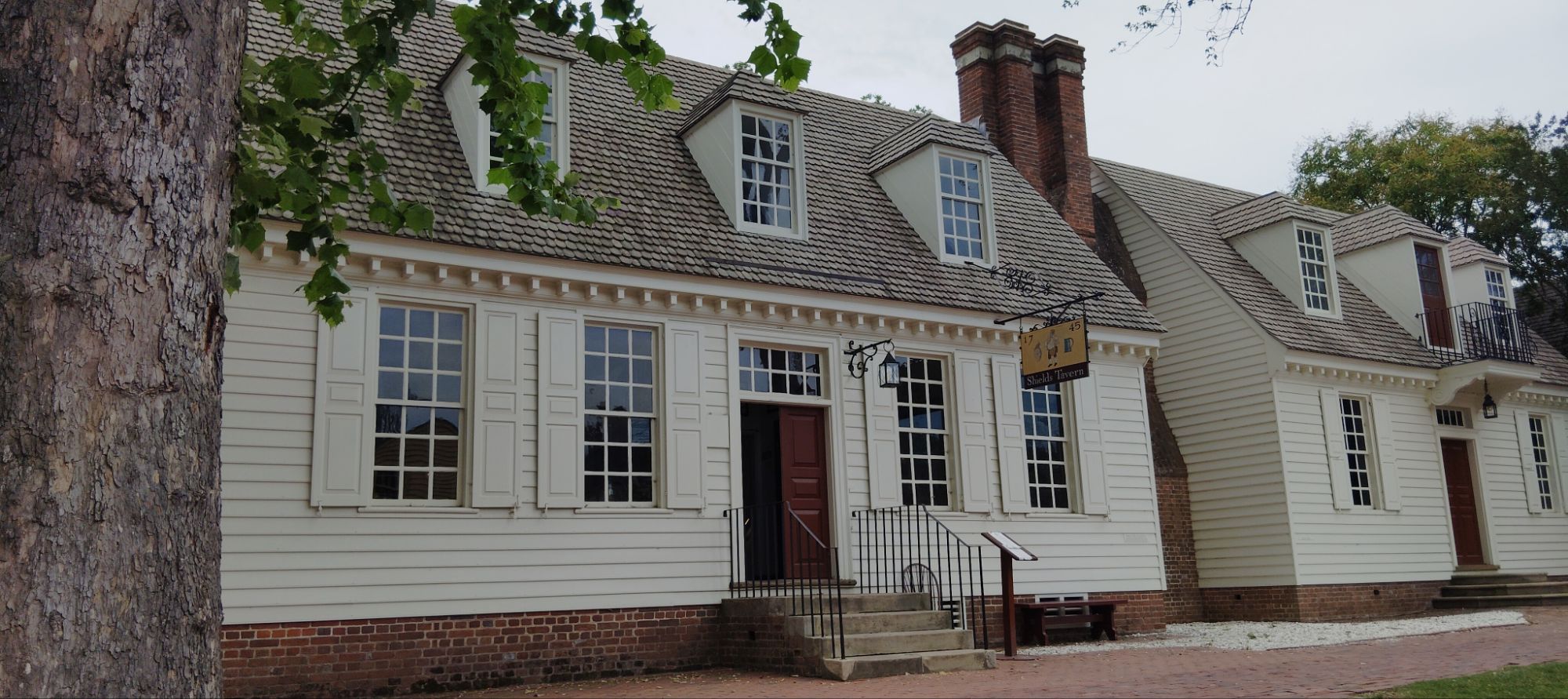
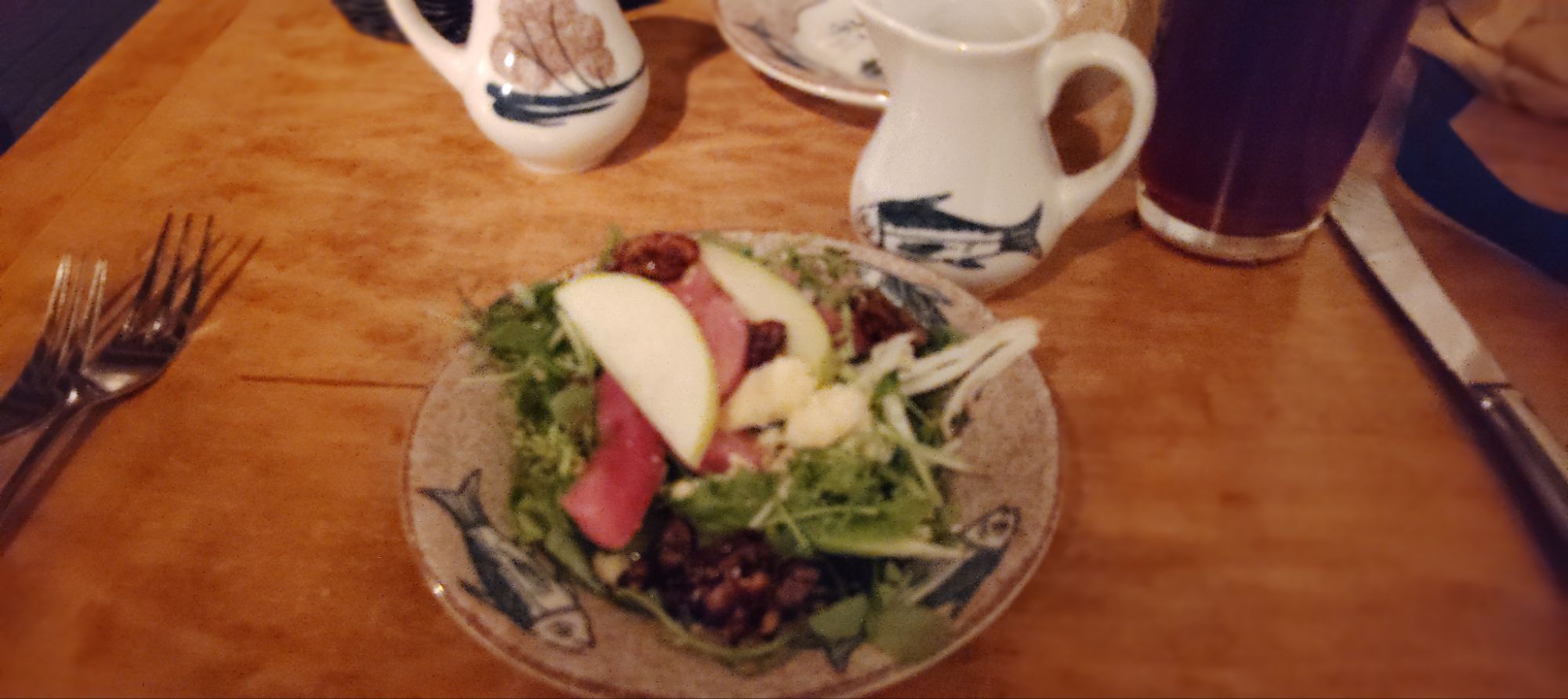
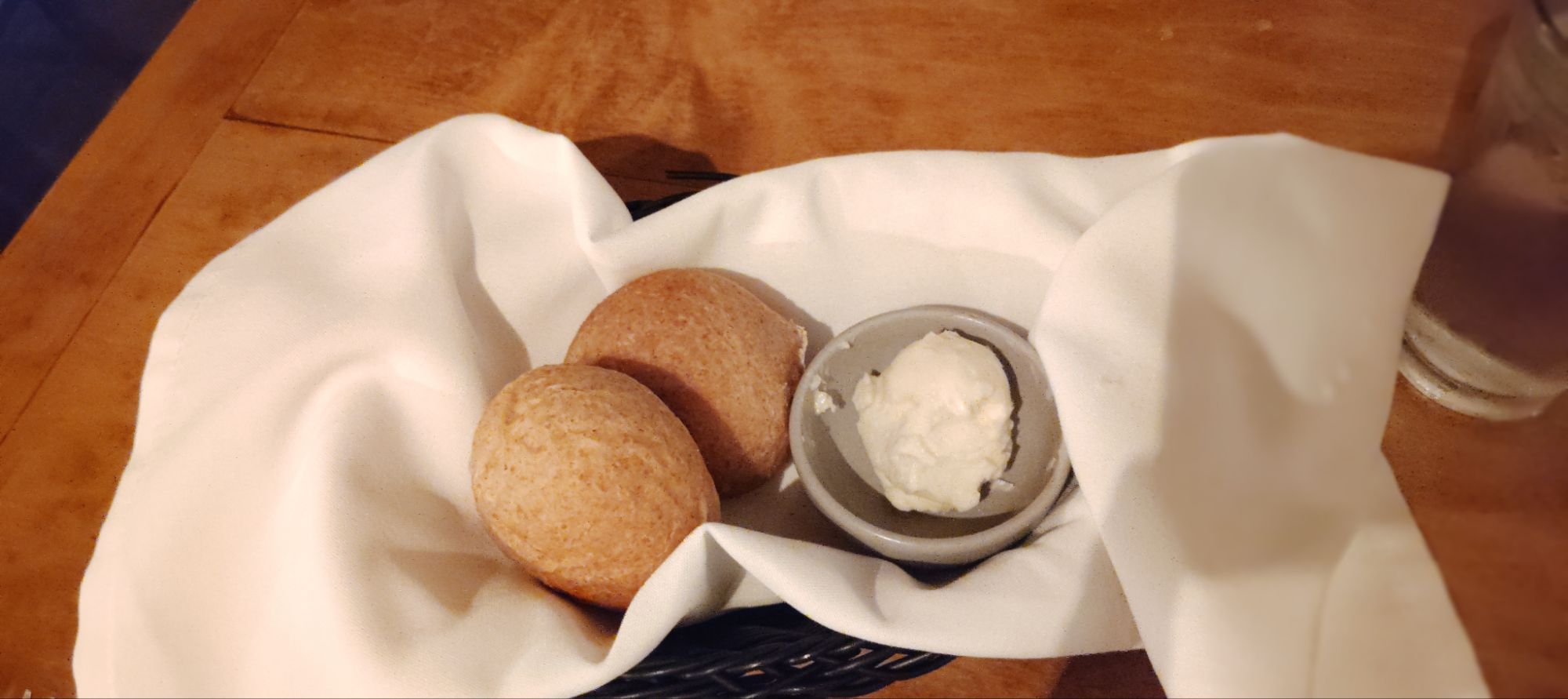
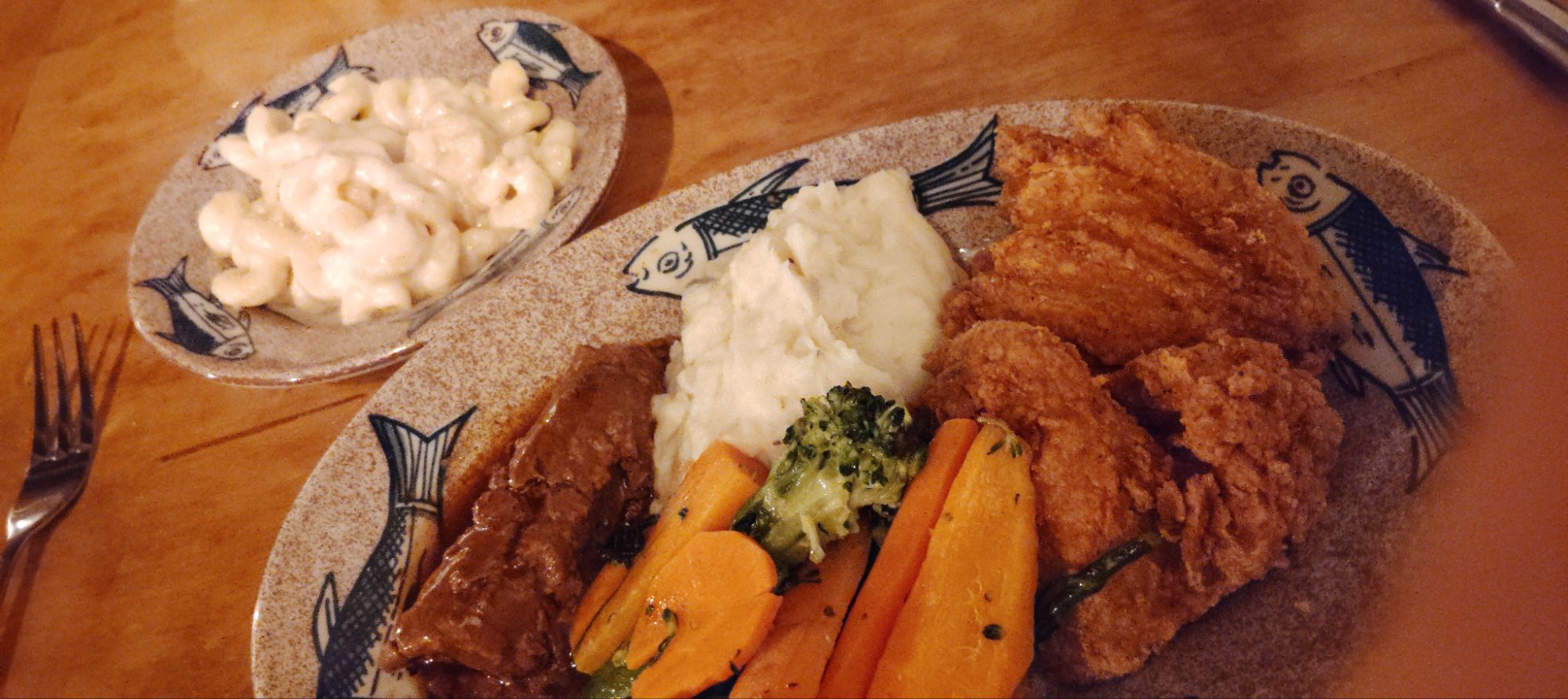
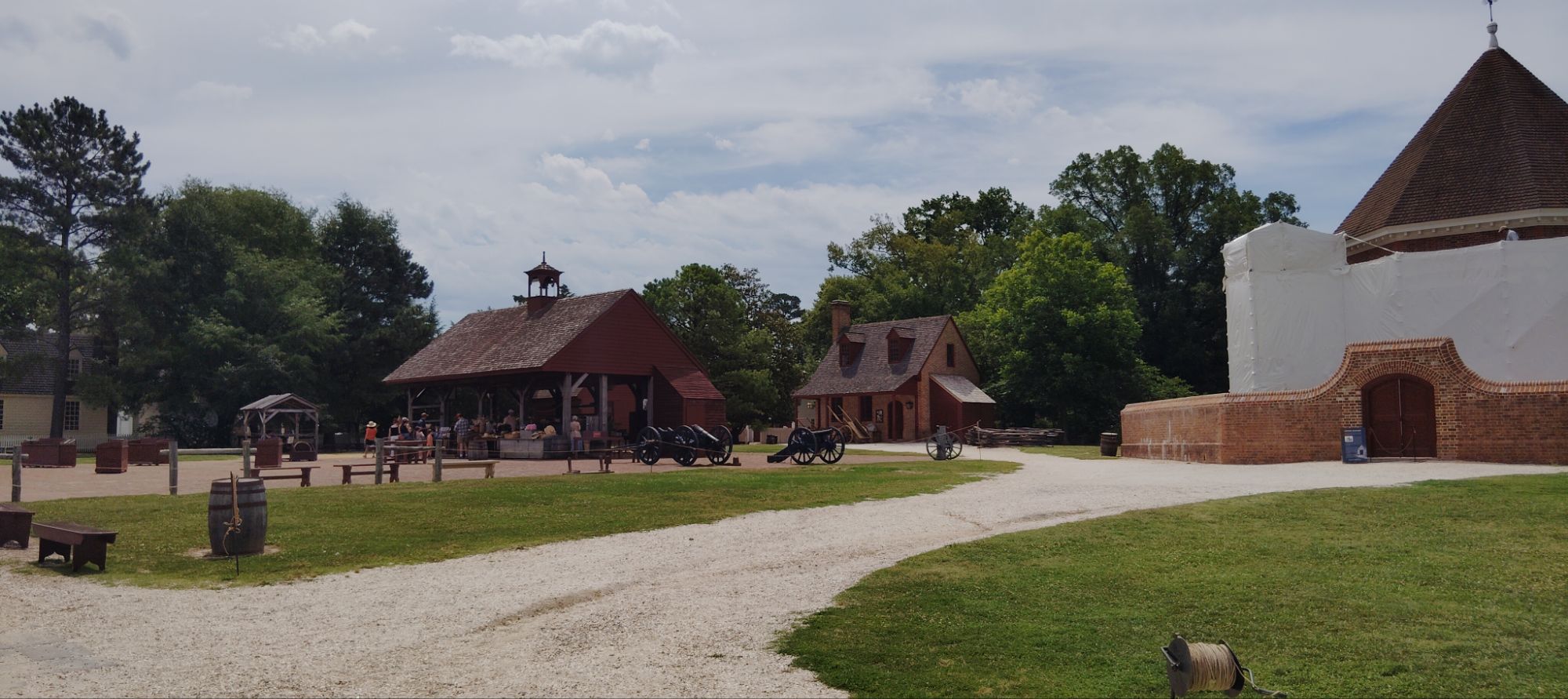
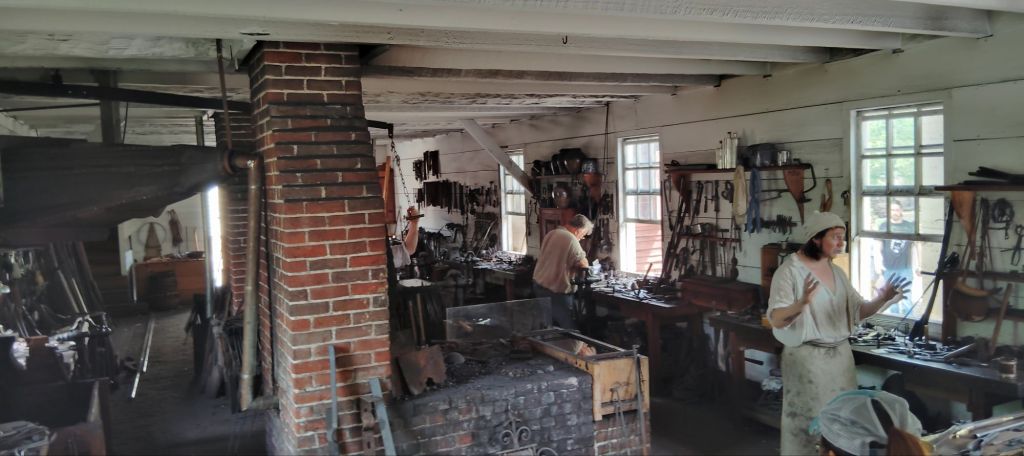
Now I still did a bunch of walking around 18,000 steps including the 8 PM ghost tour. I lumped the street views together in one big gallery. During this wandering I a visited print shop, a linen clothing shop, the blacksmith (picture above) and then a bakery, the Raleigh Tavern Bakery. I sampled the ginger cake and had a spiced ale.
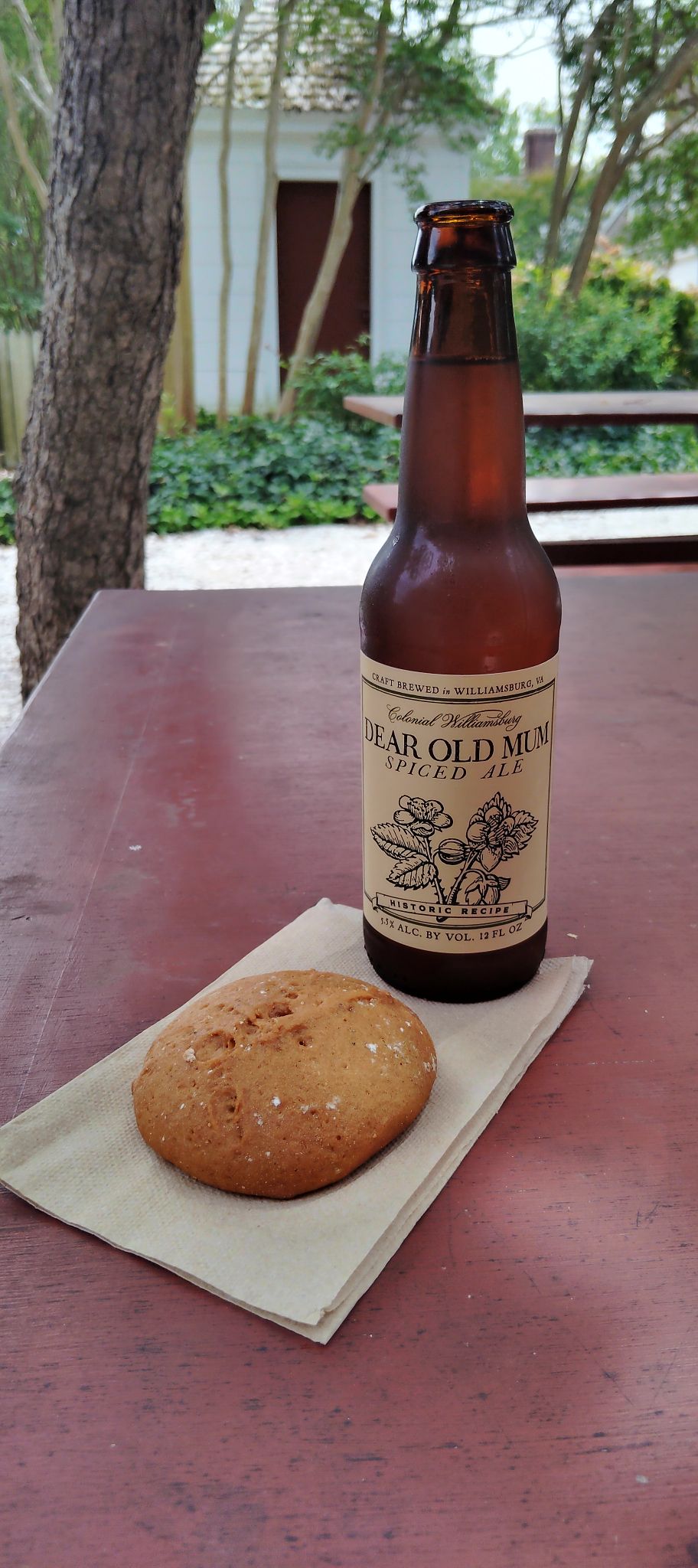
Now to really confuse the timeline, I’m going to post pictures I took in the morning at the visitor center and explain the parking / transportation situation.
So, you can buy your ticket at the visitor center and they will give you a clip on badge to make it easy for the staff checking for tickets to know you have access to the pay-to-visit sites. There is an option to go all digital, but you will frequently have to get your phone out and show staff your pass. In my opinion waiting a little bit in line at the beginning is better than having to keep showing your phone at each site.
Now at the visitor center there is a gift shop, because all visitor centers seem to have one, but there are also exhibits. For this year, being the 250th, there was a special The Great American Birthday Quilt Exhibition.
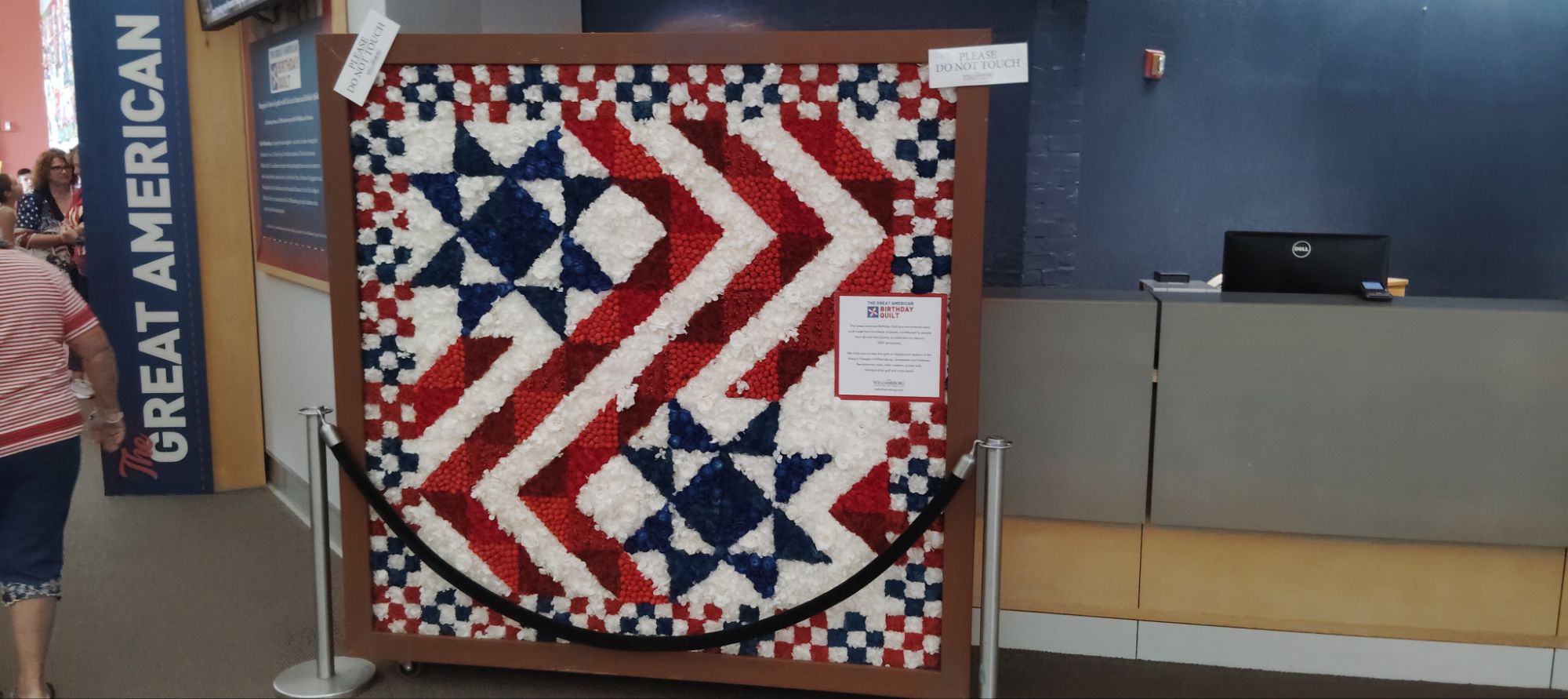
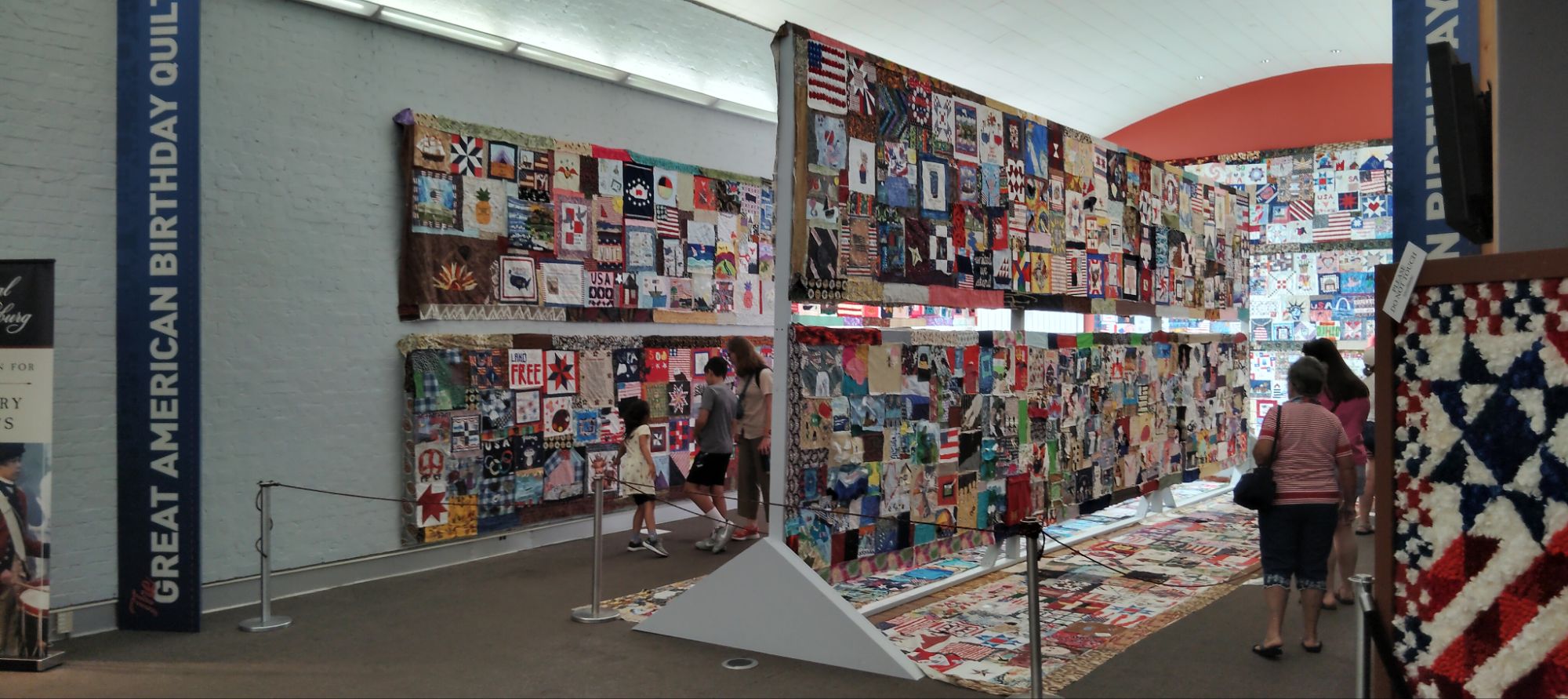
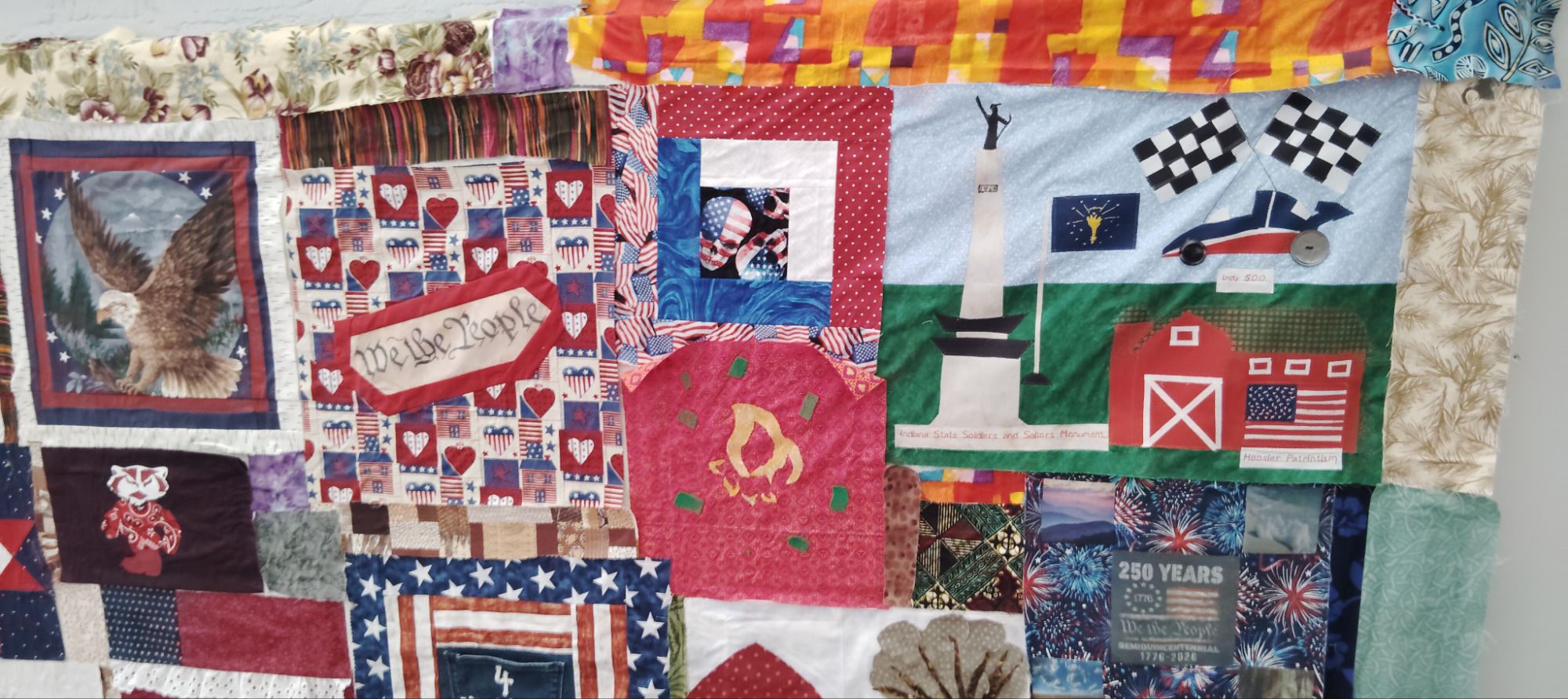
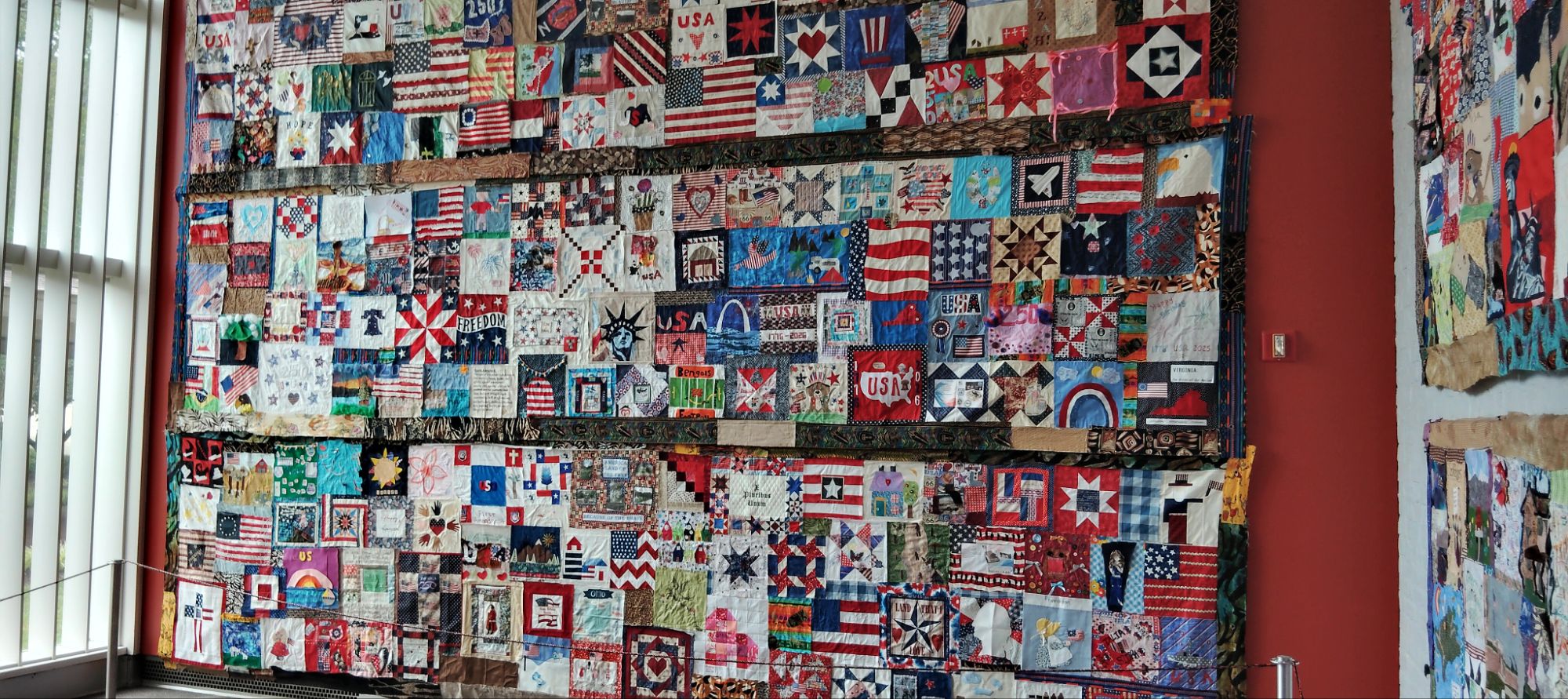
When you visit, be sure to check out the official site to know what you can see. The exhibit rotate and the re-enactors are not always open.
To help get around this large venue, the city of Williamsburg public transport provides a few bus that will help you move around from the big sites. I opted to park at the welcome center and take the bus to the Governor’s Palace and walk the rest of the site. If you chose, you could do a more hop on hop off way of travel. The buses are scheduled to run every 15 minutes, they do fill up quick. Each bus seems to have a different patriotic theme.
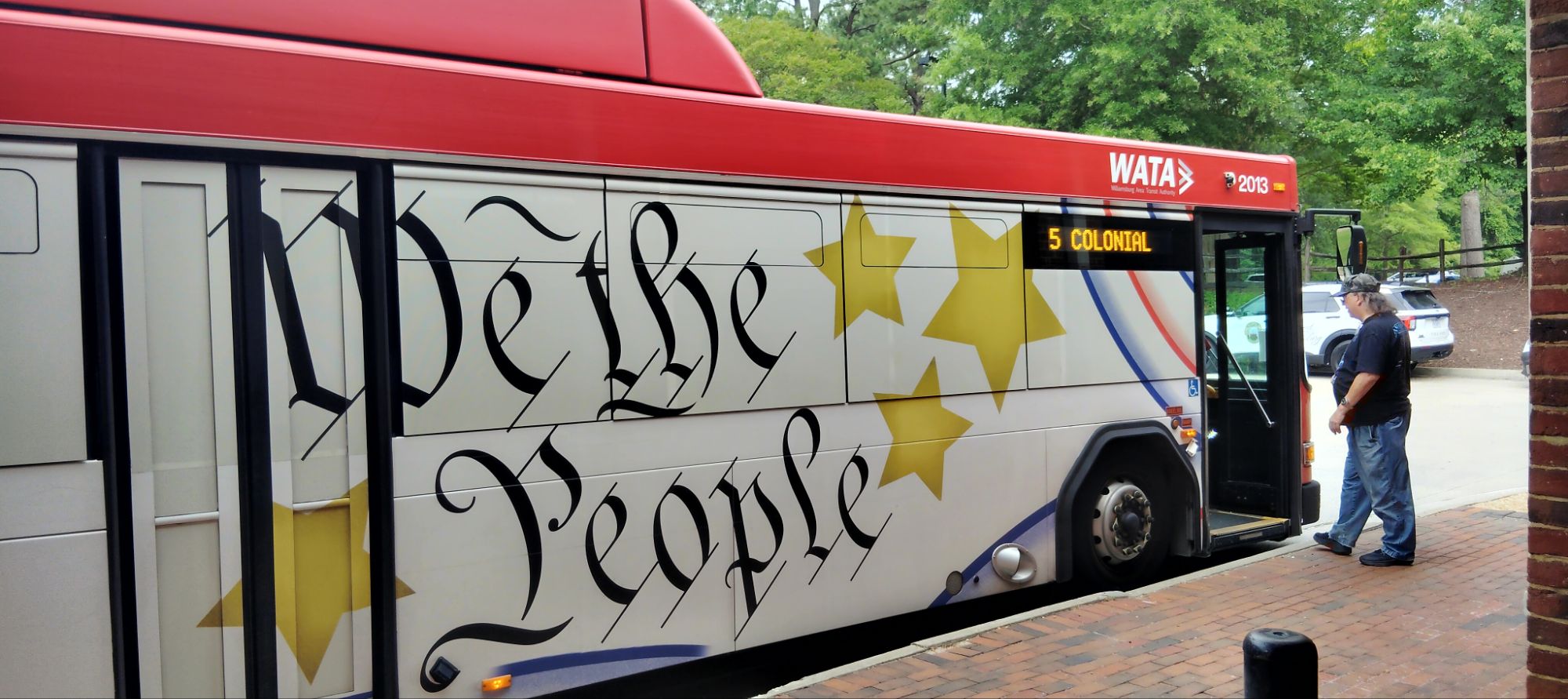
I didn’t want to drive back to my resort and then drive back for the ghost tour; however, I was very tired and didn’t want to walk around much more so I returned to the visitor center, drank a lemonade and relaxed for a bit of time and then moved my car to a closer parking lot for easier access after the ghost tour. Public parking is not free, you must pay using a special parking app. Once you set it up, it’s not that difficult to use. Parking prices vary. For example at the visitor center its $10 for 6 hours, that is your only option. Down near the shopping portion of Colonial Williamsburg, the price seems to be $2 an hour, with a max of $10. For today, parking cost me about $21 because you have to pay for parking and an annoying credit card fee.
I check out the shopping center that is at the end of Colonial Williamsburg and just before Williams & Mary college. It’s very much like an outdoor shopping center with a variety of shops and dinning options. I was just glad they had plenty of benches.
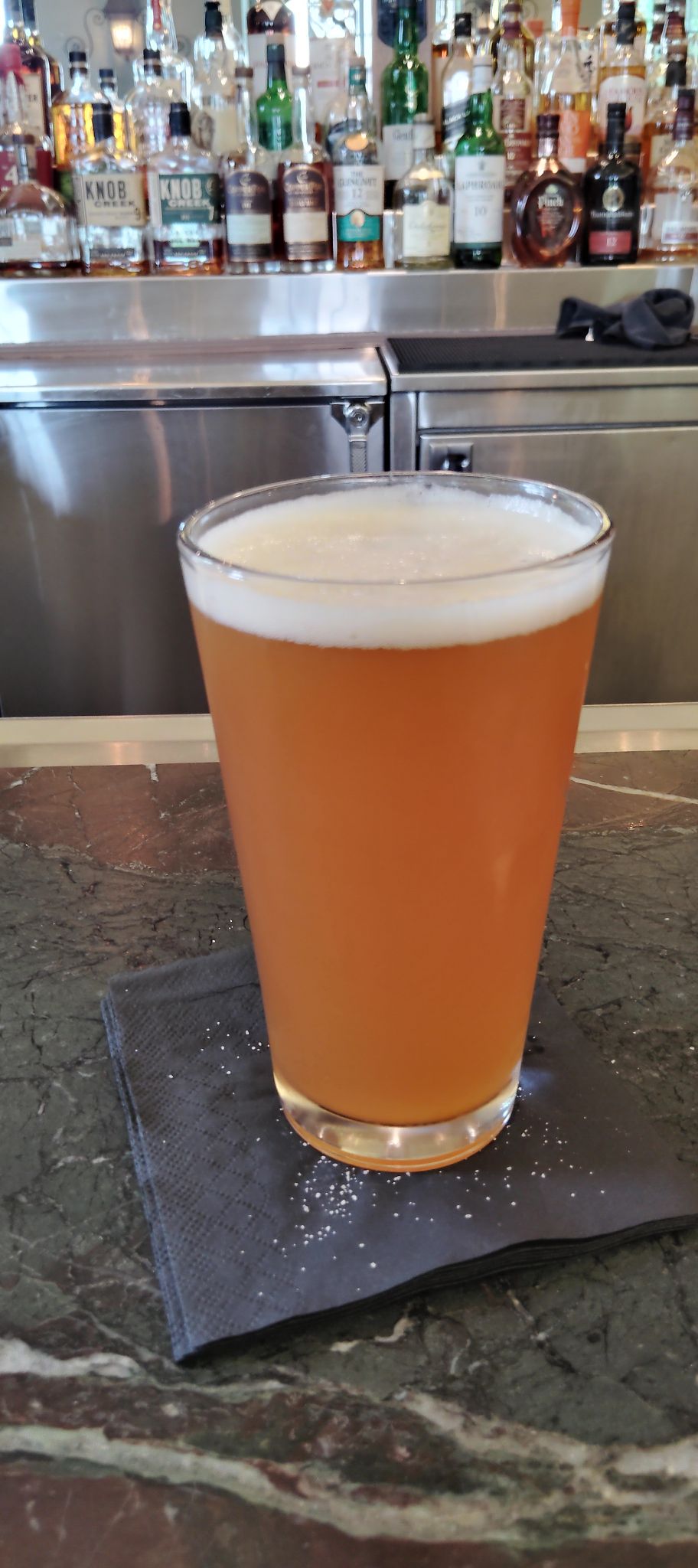
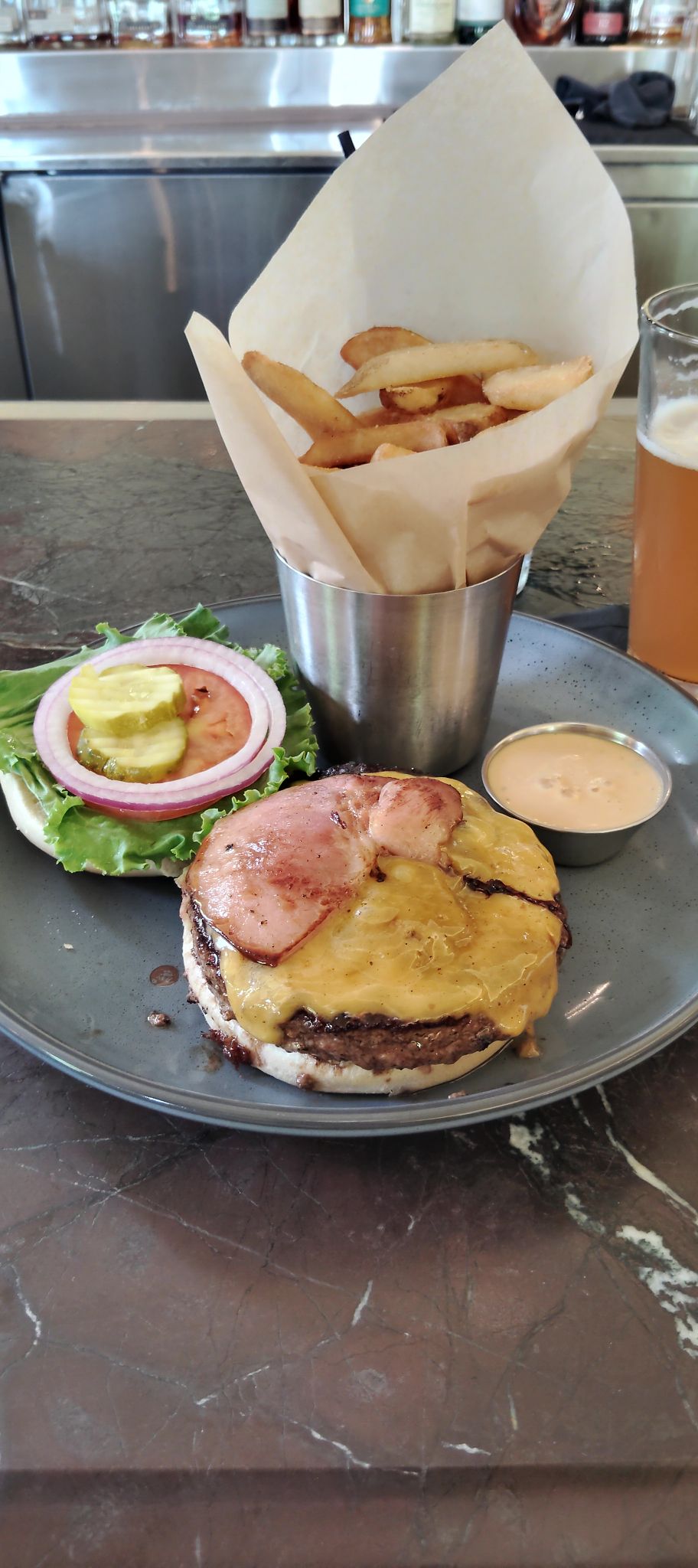
By now it was 6:30 PM and I wanted to eat before the ghost tour at 8 PM so I sat at the bar of the DoG Street Pub and enjoyed a pint of ale with a burger and fries.
The ghost tour was your typical tour. I still have not seen a ghost, but I have learned some interesting history. It was during the tour that I learned about the trial of Blackbeard’s pirate crew, because they are said to haunt the road leading to their hanging. Blackbeard himself was killed at sea and only his head was brought back to prove his death.
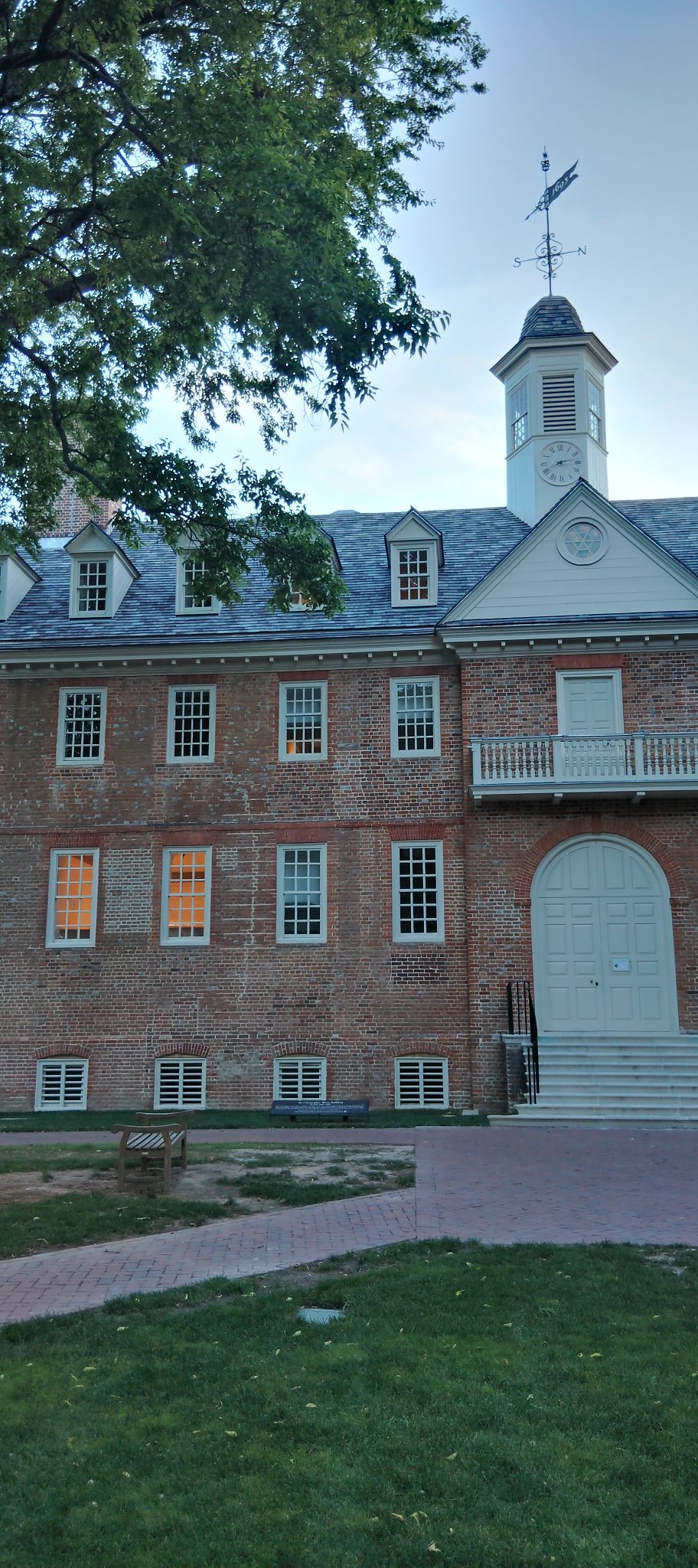
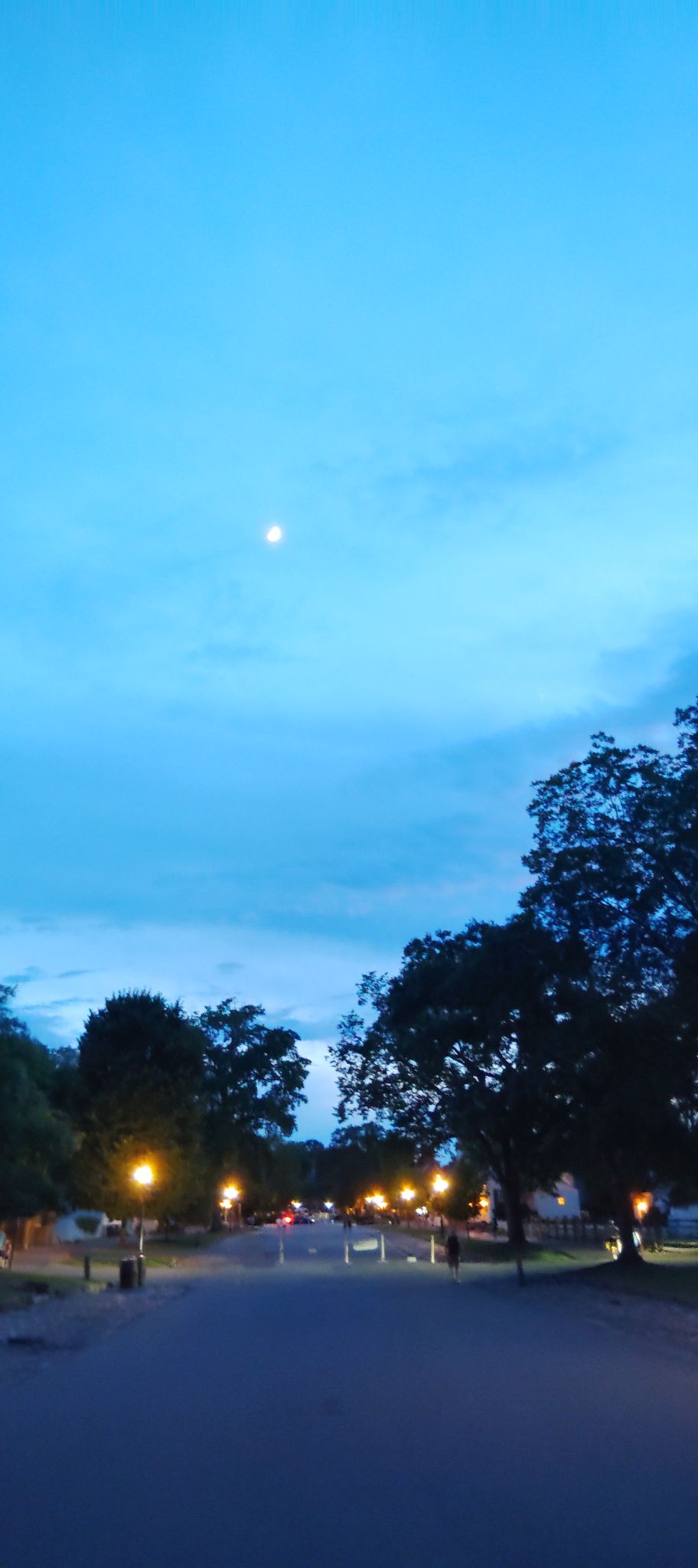
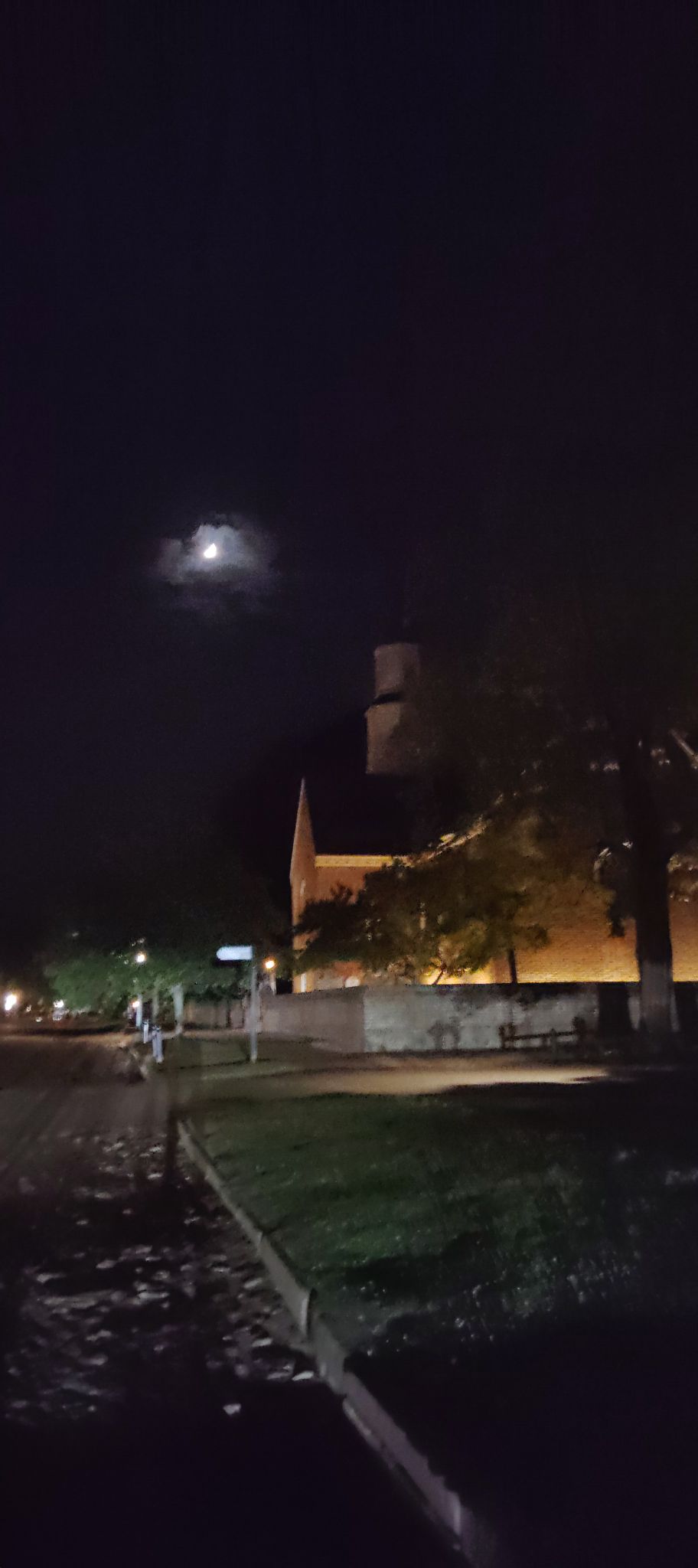
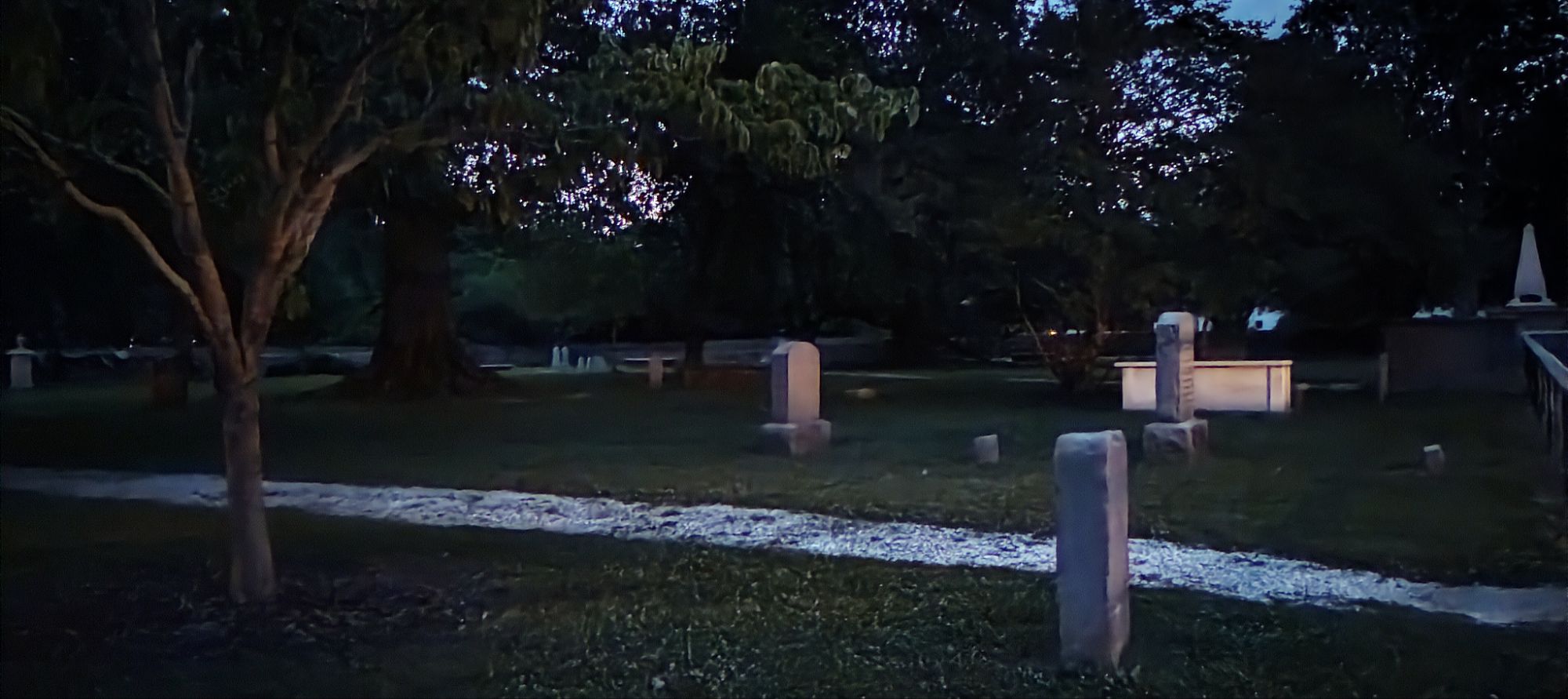
Now, I wish I could have captures an image or video of the bats that started flying round the tour as we move through the market area. It added an extra layer of spooky even if I didn’t see any ghosts. Personally, I was happy to see the bats, because they were eating the mosquitos that had been trying to eat me earlier.
And with that, my trip ends. If you plan on visiting Colonial Williamsburg, I suggest setting aside 3 days to experience the exhibits in full, a single day pass is $37.50 and a 3-day pass is $55. Well worth the money spent.
Tomorrow I head home after a few planes. I then return to reality were I need to do a few projects I’ve been putting off at my house. Until the next time, have a great rest of your day and thanks for taking the time to read my silly prose.


You must be logged in to post a comment.